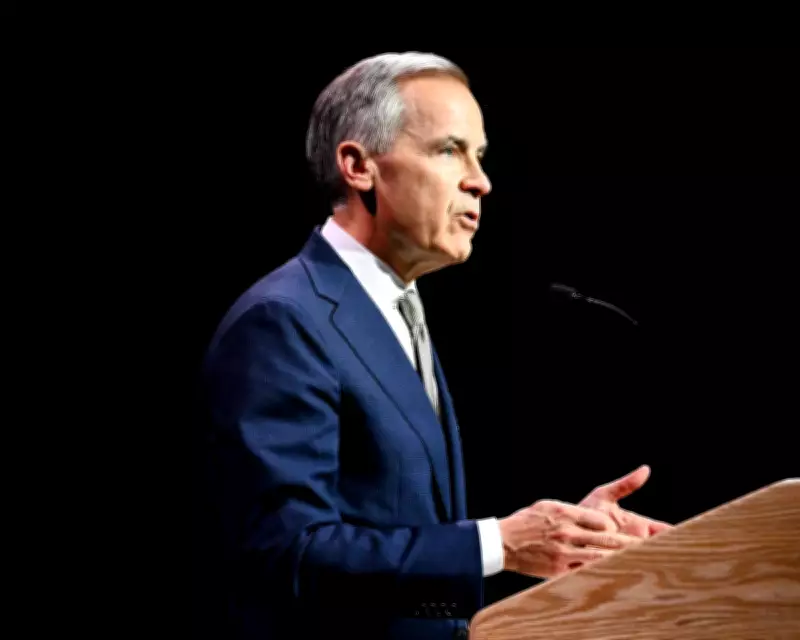
Mark Carney's Liberals Secure Majority Government in Canada After Special Election Wins
Canadian Prime Minister Mark Carney's Liberal Party has clinched a parliamentary majority following positive results from special elections held this week. This decisive victory grants Carney the authority to govern without relying on opposition parties, solidifying his leadership until the next scheduled national elections in 2029.
Special Elections Deliver Key Seats
Three special elections took place on Monday in the provinces of Ontario and Quebec, with two occurring in districts that have historically supported the Liberal Party. According to CBC News, the Liberals have successfully secured the riding of University-Rosedale, a seat previously held by former Deputy Prime Minister Chrystia Freeland, who resigned to take on a role as an economic development adviser in Ukraine.
The outcomes of the other two elections were still being tallied at the time of reporting. However, this win elevates Carney's Liberals to 172 seats in the 343-seat House of Commons, ensuring a majority that empowers the government to pass legislation independently.

Implications for Governance and Legislation
With this majority, Carney can now advance his legislative agenda more effectively, particularly in addressing critical issues such as the ongoing trade war with the United States initiated by former President Donald Trump. Andrew McDougall, an assistant professor of Canadian politics at the University of Toronto, emphasized the significance of this development.
"He will be able to pass legislation without having to go to the opposition to secure enough votes," McDougall stated. Over the past year, the Liberals have depended on selective support from the Conservatives to pass economic and trade-related bills, but this new majority eliminates that necessity.
Furthermore, a majority government allows Carney to control the timing of the next election, reducing the risk of a snap election that often plagues minority governments. This stability is expected to last until 2029, marking the first federal majority since Justin Trudeau's government from 2015 to 2019.
Political Shifts and Defections
Carney's position has been strengthened by a series of defections from opposition legislators. In just five months, five opposition members have switched allegiance to the Liberals. Notably, longtime Conservative politician Marilyn Gladu recently joined Carney's government, citing the need for "a serious leader who can address the uncertainty that has arrived due to the unjustified American tariffs."
This wave of defections is historically significant, with only the governments of Canada's first prime minister, John A. Macdonald, and former Prime Minister Jean Chrétien having experienced more politicians crossing over to the ruling party.
Remaining Races and Broader Context
Of the other two ridings, the Bloc Québécois is engaged in an extremely tight race with the Liberals in Terrebonne, Quebec. The Liberals narrowly won this seat by just one vote in the last federal election, but the result was overturned by Canada's supreme court due to a misprint on a voter's envelope.
The third special election in Ontario aims to replace former Liberal lawmaker Bill Blair, who resigned after being appointed ambassador to the UK. Early counting indicates that the Liberals are leading and are expected to retain Blair's seat.
Carney's Centrist Focus and Public Support
Laura Stephenson, chair of the political science department at the University of Western Ontario, highlighted the shift in priorities under Carney's leadership. While Trudeau moved the party to the left, emphasizing issues like reconciliation with Indigenous peoples and minority rights, Carney adopts a more centrist approach.
"He is focused on helping Canada survive the economic turmoil, not remaking society," Stephenson explained. "When we're in tough times like this, there are different calculations being made."

Recent polling from Nanos reveals strong public backing for Carney, with over half of Canadians preferring him as prime minister, compared to just 23% for Conservative leader Pierre Poilievre. This marks a dramatic turnaround from before Carney assumed leadership, when Poilievre was projected to win the next election by more than 20 points.
McDougall added, "Carney has done a fairly good job showing Canadians he can handle Trump. He's shown Canadians he's a competent manager of the economy and the country. And so far Canadians have not been overly impressed by the alternatives."