Mark Carney's Liberals Forge Parliamentary Majority Through Strategic Wins
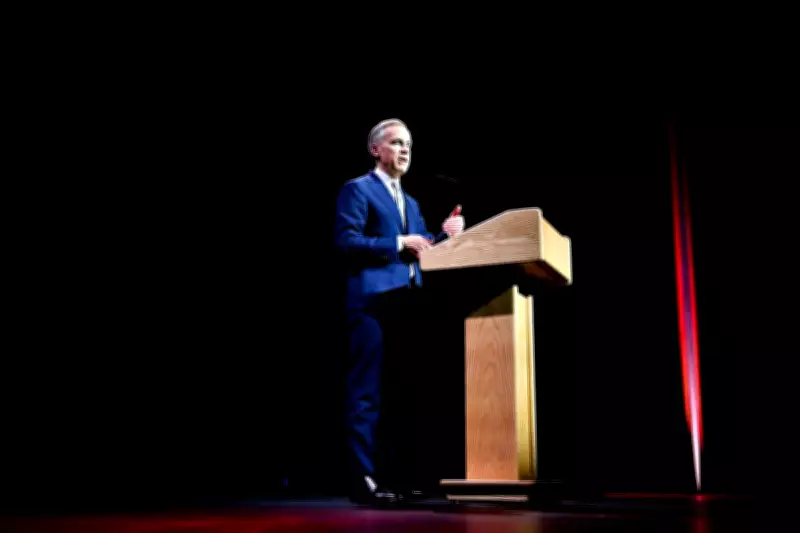
Prime Minister Mark Carney has declared that Canada is entering a pivotal moment for national unity after his Liberal Party secured a parliamentary majority through an unprecedented combination of byelection victories and political defections. Speaking at Vaisakhi and Sikh Heritage Month celebrations at the Canadian War Museum in Ottawa on April 13, 2026, Carney emphasized the need for collective action during this transformative period.
Byelection Sweep Creates Governing Majority
The Liberal Party's path to majority status was solidified through three crucial byelections held on Monday evening, just over a year after Carney initially took power with a minority government. This achievement represents only the third majority government formed in Canada during the past two decades, accomplished through both electoral success and strategic political maneuvering.
While the Liberals were expected to perform well in two of the three contests, they exceeded expectations across all ridings at the expense of a Conservative Party that continues to struggle nationally. The results have dramatically reshaped Canada's political landscape and provided Carney with enhanced legislative authority.

Key Victories and Defections Reshape Parliament
In University-Rosedale, Danielle Martin secured a decisive victory for the Liberals, while Doly Begum—who was successfully recruited from the provincial New Democratic Party—captured nearly 70% of the vote in Scarborough Southwest. Perhaps most notably, Tatiana Auguste emerged victorious in the Montreal-area riding of Terrebonne following a closely contested battle, having previously gained national attention for her 2025 win by a single vote.
Prior to Monday's special elections, the Liberals held 171 seats in the House of Commons, with five of those seats coming from lawmakers who had defected from other political parties. Following the byelection results, the Liberals now control 174 of the 343 parliamentary seats, establishing a clear governing majority.
Carney Calls for National Unity and Collaboration
In a statement released shortly after midnight following the byelection results, Prime Minister Carney emphasized his commitment to governing with "humility, determination and a clear understanding of what this moment demands." He called for bipartisan cooperation in the coming months, stating that "this is a time to come together so we can build a Canada strong for all."
Carney articulated his vision for a nation that is "not just strong, but good; not just prosperous, but fair; not just for some, most of the time, but for all, all of the time." He framed this objective as the fundamental responsibility entrusted to his government by Canadian citizens, pledging to achieve these goals through collective effort.
Conservative Opposition Condemns Majority Formation
Conservative leader Pierre Poilievre strongly criticized the manner in which the Liberal majority was achieved, arguing that it resulted from "backroom deals with politicians who betrayed the people who voted for them" rather than through a general election mandate. Poilievre, who has lost four parliamentary members to Liberal defections, vowed continued opposition, asserting that "our country and its people are worth fighting for."
The Conservative Party faces significant challenges, with national polls showing the Liberals far ahead and the Conservative vote share dropping by double-digits in all three byelection ridings. This represents a dramatic reversal for a party that was positioned for a historic majority government less than two years ago.
Economic Challenges and Legislative Agenda
With their newly secured majority, the Liberals will now control parliamentary committees and dictate both the scope and pace of their legislative agenda. One of the government's primary focuses involves mitigating the economic impacts of the ongoing US war with Iran, which has driven up fuel costs across Canada.
In response to these economic pressures, Carney announced on Tuesday that his government would suspend the federal fuel excise tax on gasoline and diesel later this month until early September. He characterized this measure as a "responsible" approach to reducing fuel costs for Canadian citizens and businesses.

Canada also faces impending trade negotiations with the United States as both nations seek to renew their free trade agreement. Experts anticipate these discussions will be particularly contentious, adding another layer of complexity to Carney's economic agenda during his majority government tenure.
Political Landscape Transformed
The Liberal Party's achievement of majority status through this unconventional combination of electoral victories and political defections represents a feat without modern precedent in Canadian politics. With the next general election likely three years away, Carney now possesses enhanced authority to implement his policy agenda while navigating significant economic and international challenges.
This development solidifies Carney's position as a dominant political figure in Canada and sets the stage for a new phase of governance characterized by increased legislative control and heightened expectations for national leadership during a period of global uncertainty.