
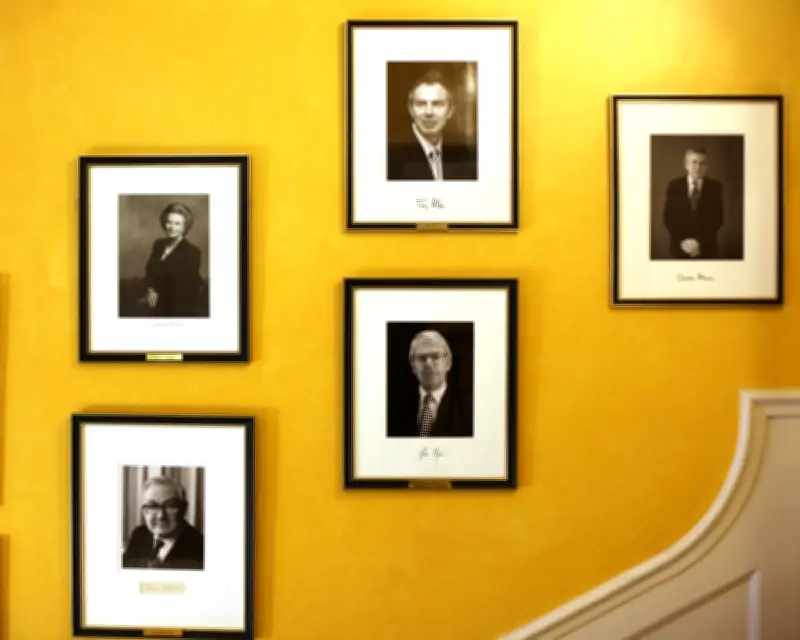
Andy Burnham enters Downing Street on Monday with a strong start, but he must navigate several traps that have felled recent predecessors. The ghosts of Downing Street past — from Margaret Thatcher to Tony Blair, Gordon Brown, and Keir Starmer — offer lessons in what to avoid.
First impressions and the honeymoon period
Burnham's initial weeks are crucial; voters outside Greater Manchester are still forming their view. Keir Starmer ruined his honeymoon by warning things would worsen, creating gloom that persisted. Burnham arrives without a fresh general election mandate but with public goodwill after seven prime ministers in 10 years. He must nurture hope, staying true to his mission to "bring back hope." If sober economic warnings are needed, he should leave them to his chancellor.
Avoiding early election talk
Burnham must avoid any hint of an early election, as Gordon Brown learned when speculation forced a snap poll. The only time to discuss an election date is shortly before announcing it. Burnham today insisted he hasn't yet decided his cabinet and Downing Street staff, a crucial choice since "personnel is policy." Starmer's first chief of staff, Sue Gray, lasted only three months, replaced by Morgan McSweeney, signaling uncertainty.
Opening moves and policy clarity
Burnham's aides promise a burst of policy announcements next week to avoid the "Farage summers" of Labour inactivity. He must get it right first time: public patience for U-turns is exhausted after Starmer and Rachel Reeves' winter fuel allowance reversal. Burnham declared today: "I know what I believe … I know what I want to do … I have a plan." A clear plan prevents derailment by crises, as Tony Blair faced with 9/11 and Iraq. It also signals direction to ministers and civil servants, as Margaret Thatcher did: less state, more market. Burnham criticized the Thatcherite settlement, telling Whitehall he wants devolved political power and a more active economic state unafraid of public ownership.
Political strategy and electoral maths
Starmer's strategy targeted "hero" voters in red wall seats who voted Leave and backed Reform UK, but it rested on a fallacy. According to professor of political science Rob Ford, Labour lost seats to Reform not because of mass defections from Labour, but because the anti-Reform vote fragmented among Greens, nationalists, and Lib Dems. Ford told me the Makerfield byelection showed Labour's vote growth was "almost identical" to the decline in combined Green and Lib Dem votes. Burnham's win there united the anti-Farage camp. Polling shows Labour voters who moved to Greens or Lib Dems are more likely to return than Reform defectors. Ford warns a strategy focused on Reform voters willing to return is chasing "a mythical species."
Burnham hinted at a broad-appeal programme, saying he won't "out-Green the Greens or out-Reform Reform" but be "distinctively Labour." This path concentrates on public services and cost of living, issues that unite rather than divide. The job is perilous, but Burnham says he is ready. For the country's sake, we must hope he is right.




