
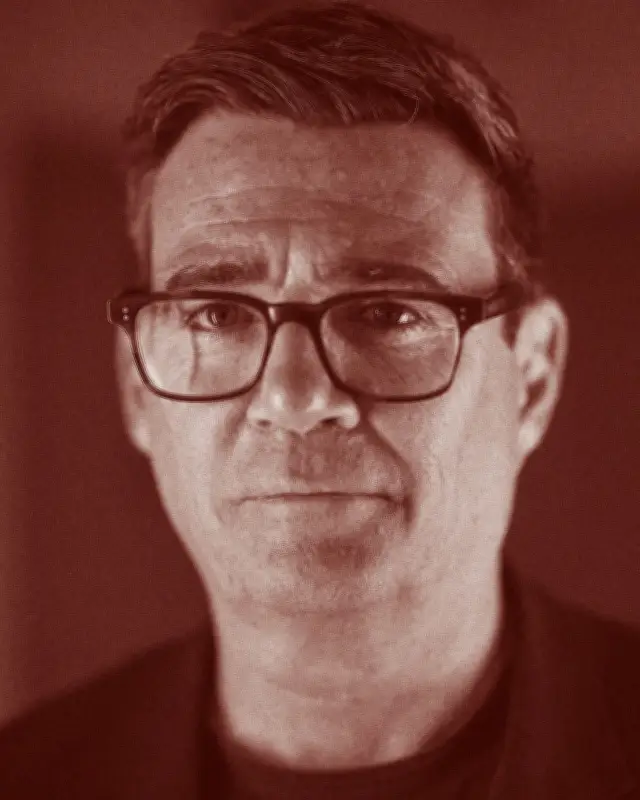
Andy Burnham, the newly elected Labour leader, is set to become Britain's seventh prime minister in 10 years, a journey that began with a dark night in a Westminster pub in 2016. Burnham, then MP for Leigh, plotted his escape from what he called "the madhouse" of parliament, feeling broken after losing his second Labour leadership bid and disillusioned with the EU referendum campaign.
From Westminster to Manchester
In late March 2016, Burnham met with close friend Steve Rotheram and other colleagues at a pub on Horseferry Road. "He was pissed off," Rotheram recalled. Burnham had lost the leadership contest to Jeremy Corbyn and was caught in the crossfire of Labour's internal wars. After some convincing, he agreed to leave Westminster and run for the newly created role of Greater Manchester mayor, with Rotheram heading for Liverpool. "I thought when we left [Westminster] it was done," Rotheram said of Burnham's leadership ambitions. "Yeah, I think he probably did."
Navigating Corbyn's Labour
In the summer of 2016, Burnham announced his intention to leave parliament while serving in Corbyn's shadow cabinet. As colleagues resigned en masse, Burnham refused to join the revolt, casting himself as a mediator. Gloria De Piero, a fellow shadow minister, said: "He is a party loyalist but he never agreed with Jeremy's politics." However, some viewed his refusal to resign as political opportunism, given his need for support from Corbynistas for his mayoral bid. On 26 June 2016, Burnham tweeted: "I have never taken part in a coup against any leader of the Labour party and I am not going to start now." Yet documents seen by the Guardian show that four days later, his allies helped draft the "Corbyn declaration," a commitment to continue Corbyn's policies if he stepped aside. The plan never took off, but it sowed distrust among Corbyn's inner circle.
Becoming Greater Manchester Mayor
On 6 May 2017, Burnham became the first directly elected mayor of Greater Manchester, heralding a "new era" in a victory speech at Manchester Central. He received a hero's welcome from staff at the Greater Manchester Combined Authority, but the region's 10 council leaders were less enthusiastic. None had backed him, most supporting interim mayor Tony Lloyd. Burnham's comment that the role was a "cabinet-level job" was seen as an insult to local government veterans. To smooth relations, he appointed Richard Leese, leader of Manchester City Council, as his deputy mayor. Leese said: "I don't think he would have asked me to be deputy mayor if he had been holding a grudge."
The Manchester Arena Attack
On 22 May 2017, just two weeks into his mayoralty, a suicide bomber killed 22 people and injured hundreds at an Ariana Grande concert at Manchester Arena. Burnham, at home watching Newsnight after a football match, received a panicked call from Rotheram, whose daughters were at the arena. Burnham told him to get them out. The attack became a defining moment for both Burnham and the city. At a vigil in Albert Square, Burnham stood beside Bishop David Walker, who praised his "innate ability to connect with a large audience with emotional intelligence." Walker said: "Until then, these sorts of terrorist attacks had proved divisive... I think we did it differently in Manchester."
Policy Achievements and Covid-19
Burnham's flagship promise to end rough sleeping in Manchester by 2020 nearly halved the numbers, though homelessness later crept back up due to the housing crisis. His proudest achievement is the Bee Network, bringing buses back under public control for the first time since the 1980s, capping fares, and integrating transport. "We will ensure all parts of the UK are able to take greater public control of essential services, like water, housing, energy and transport," he said in a speech last month. During the Covid-19 pandemic, Burnham became a national figure, frequently appearing on television to criticise Boris Johnson's government. A defiant speech outside Bridgewater Hall earned him the title "king of the north." Three men who had been drinking nearby booed a journalist who questioned him, showing his cross-party appeal. "That was the point I realised: Andy's got appeal beyond the Labour party brand," a colleague said.
The Road to No 10
Burnham revelled in his newfound popularity, DJing at club nights and giving his phone number to strangers. He felt at ease in the north, unlike in Westminster, which he said "makes a fraud out of you." Now, as he prepares to become prime minister, his inner circle can scarcely believe he has made it. Rotheram said: "I thought when we left [Westminster] it was done." Burnham's second act as mayor brought out "the real me," he said. As he embarks on his third act in a job he has coveted for decades, the question remains: will the real Andy Burnham step forward?




