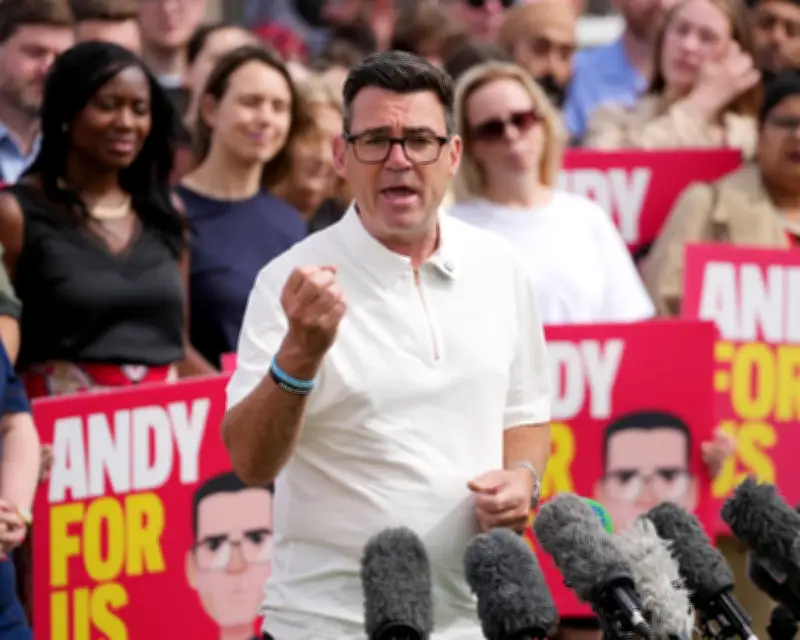
Andy Burnham's comprehensive victory in the Makerfield byelection on 19 June 2026, surpassing expectations, was a precious moment for Labour. He demolished Nigel Farage's Reform party, which had won every council seat in the area just a month earlier. Liberal Democrat, Green, and even Conservative voters lent him their votes to keep out Reform, a gesture that Burnham called patriotism.
The Starmer legacy and its pitfalls
As Keir Starmer prepares to announce his resignation as prime minister on Monday, his legacy is mixed. Labour's 2024 general election victory was a freak landslide, won on just 33.7% of the vote, and never felt like a surge of public enthusiasm. Starmer's government struggled from its early days, partly due to his speech in the Downing Street garden warning of a 'painful' budget to come, as Rachel Reeves announced a £22bn black hole in the Treasury. This set a glum tone.
Despite good deeds in the first 100 days—rail nationalisation, renters' and workers' rights bills, bus services devolved to local control, free school breakfast clubs, good public-sector pay deals, and ending restrictions on onshore windfarms—much was invisible to the public. What caught the eye was the cut to pensioners' winter fuel allowance and inheritance tax on farmers, which created damaging imagery. Reports of free suits, glasses, and gig tickets further tarnished the government's image.
Burnham's lesson: first impressions are everything
The vital lesson for Andy Burnham is that good first impressions are everything. He can look to the Blair/Brown first 100 days in 1997, which included a £5bn windfall levy on privatised utilities, VAT cuts, stamp duty increases on expensive properties, the first minimum wage, and the creation of the winter fuel allowance.
Burnham's portfolio of promises includes several immediate and memorable steps to ease the cost of living. He plans to freeze rents for a year for the roughly 20% of the country who are private-sector tenants. Other ideas include capping bus fares at £2, cutting energy bills by shifting green levies onto general taxation, and cutting business rates for pubs and small shops. Equalising tax rates for income tax and capital gains, as Wes Streeting advocates, would cover these costs, along with blocking the private equity tax loophole. He also aims to repossess failing water companies, starting with Thames Water, and declare long-term intent to take back control of the National Grid.
Radicalism without cost and constitutional reform
Radicalism can also be cost-free. Burnham promises to relax the government whip, freeing MPs to speak their minds more often. He also plans to clean up politics by capping political donations. He is expected to signal the start of constitutional reform, devolving powers to local mayors with tax-and-spend authority and oversight of schools and health. A long-time backer of fairer elections, Burnham should appoint a national commission on proportional representation to secure tactical voting support from progressive parties.
Choosing his chancellor will be his most perilous first act. The hostile press and Unite's Sharon Graham are trying to poison Ed Miliband's chances, though he is the more serious economist. Wes Streeting could be a consolation, or Rachel Reeves could stay to steady markets.
As for the selection process, a long leadership contest seems unnecessary given the Makerfield result. Starmer should go with good grace, leaving a legacy of universal nursery places and falling NHS waiting lists. Burnham, as the only popular leading politician, may buck the trend of unpopular prime ministers by championing hope and change.