Andy Burnham, the incoming Labour leader, faces a threat not from bond markets but from his own backbench MPs, according to a Guardian columnist. The warning comes as Burnham prepares to take office after Keir Starmer's resignation.
The columnist, Aditya Chakrabortty, argues that the spectre of bond vigilantes is overblown and that the real danger lies in the fickle loyalty of Labour MPs who prioritize approval ratings over policy. He notes that both Boris Johnson and Keir Starmer were ousted by MPs worried about polls, not by financial markets.
The myth of bond market discipline
Chakrabortty dismisses the conventional wisdom that bond markets constrain radical economic policies. He points out that on the day Starmer resigned, 10-year gilt yields actually fell, yet no political editor mentioned it. He also cites a National Institute of Economic and Social Research analysis showing that political uncertainty is less important than global energy shocks in driving UK bond yields.

“The global energy shock is clearly the single largest identifiable driver of the UK’s … underperformance,” the analysis found, because the UK imports energy and other basics, importing inflation.
The real threat: liquid politics
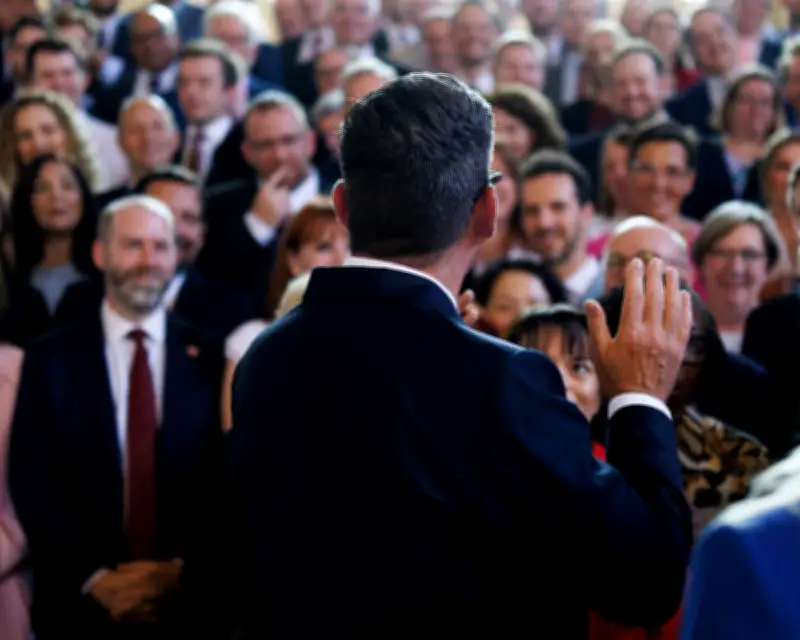
Chakrabortty describes an era of “liquid politics” where ideology is baggage and MPs obsess over focus groups and job security. Burnham, who was not even an MP a week ago, is now incoming PM, with two-thirds of Labour MPs elected after he left parliament in 2017. Their loyalty is contingent on him being seen as a winner.
“That is a threat to democracy from within the home of democracy. Against that, the spectre of financial markets really isn’t so grim,” Chakrabortty writes.
What Burnham must do
To stay popular, Burnham needs to deliver radical change quickly. Chakrabortty suggests specific policies: pushing ordinary investors into a specialised bond to build council housing, issued for 30 years with a reliable rate of return, and stopping the Bank of England from selling government bonds as part of quantitative tightening. He warns that if Burnham fails, Nigel Farage could step in.
“The public is crying out for radical action. The punishment for not taking it could be vast,” Chakrabortty concludes, noting that if crops spoil or oil prices remain volatile, and new Green and Plaid voters drift back to Labour while others find it not new-look enough, Burnham could quickly go from winner to loser.