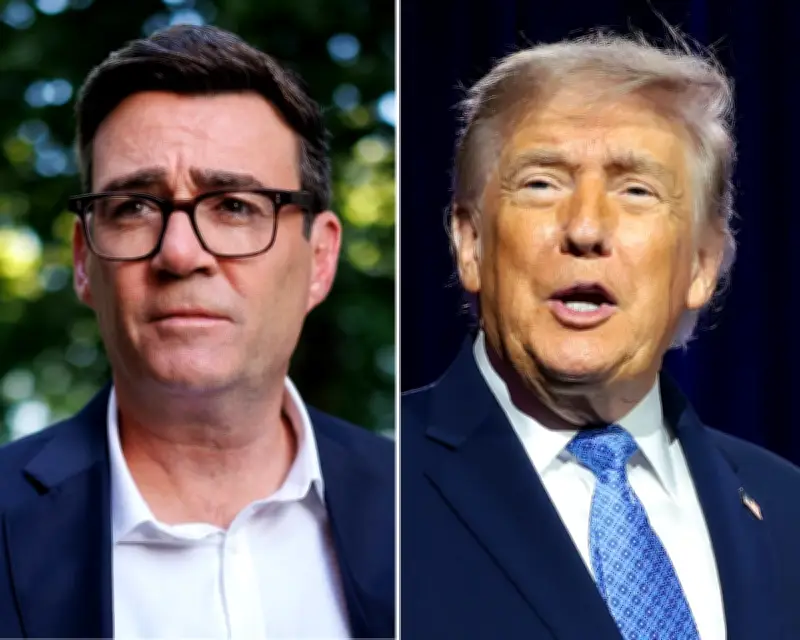
Andy Burnham, the new UK prime minister, must master the art of dealing with Donald Trump, a skill that eluded his predecessor Keir Starmer. On Friday, Burnham made his first major break with Starmer by apologising for Labour's handling of the Gaza war, calling for an earlier ceasefire and increased pressure on Israel. This shift signals a more grassroots-responsive approach, but also raises questions about his relationship with the White House.
Burnham's Foreign Policy Challenges
Burnham enters office at a tipping point for US-West relations. Trump has threatened trade bans, confirmed his desire to own Greenland, and resumed bombing Iran, causing oil price rises and fears of a rolling Gulf conflict. Canada's PM Mark Carney warns the old America isn't coming back, and even Italy's Giorgia Meloni has lost patience.
Burnham committed to the 3.5% NATO defence spending target and kept Jonathan Powell as national security adviser. However, he must navigate a landscape where Trump's bulldozing of the rules-based order allows China to fill the vacuum, as described in Tobias Ellwood's book Ten Steps to Prevent World War Three.
The Art of Titration
A former foreign secretary calls the needed skill 'the art of titration': measuring each policy shift so it causes the desired reaction without overreach. Burnham must be assertive on Gaza without denying Israel's right to self-defence, and maintain enough distance from Trump while staying close enough for cooperation on Ukraine and intelligence sharing.
Starmer's grovelling trips to Washington bought time for Ukraine, but Britain wasted it by not making the case for defence spending. Burnham now inherits that mess and needs a superb foreign secretary, with David Miliband visibly auditioning for the role.
Building Alliances
Burnham's skill as a mayor was convening alliances of the like-minded. He now needs to forge a 'stability alliance' of middle-ranking powers focused on early conflict prevention. This aligns with his domestic policy of early intervention, but leaves open how far to confront Trump. Ukraine needs less US help now, having built its own defence manufacturing, and the EU pays for weapons Washington supplies. Trump praised Ukraine's drone strikes, showing he associates with success.
Burnham is right: it doesn't get more real than this. The choices he makes now could determine whether by 2040 we look back with regret, as Ellwood imagines.