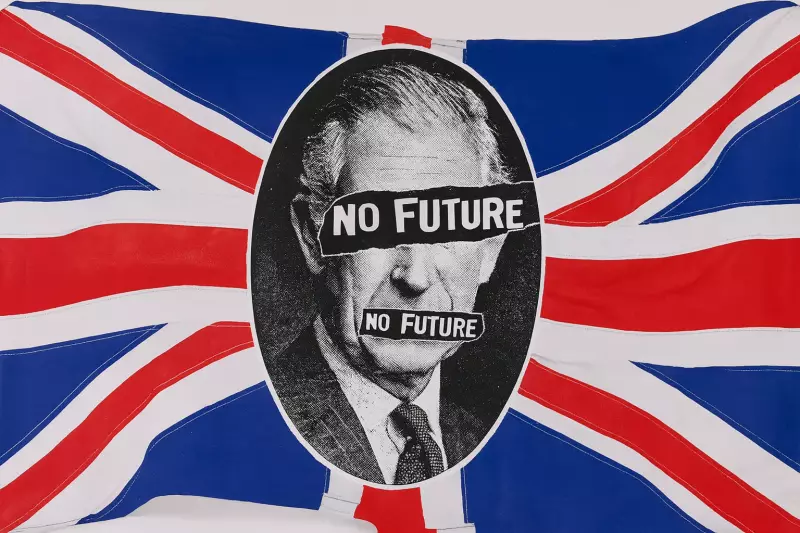
A deep and pervasive crisis of hope is taking hold across Britain, according to historian Dr Eliza Filby. This isn't a fleeting mood tied to a single budget or government, but a decade-in-the-making sentiment where building a stable life – through career, family, or home ownership – feels increasingly out of reach for many.
A Nation Running to Stand Still
The emotional landscape is shifting from anger or anxiety to something more fundamental: a widespread belief that a viable future in the UK is slipping away. People are running simply to stand still, a feeling exacerbated by a national debt exceeding £2.7 trillion and annual interest payments of roughly £105 billion.
This strain is crystallising in the lives of younger generations. In September 2025, 946,000 people aged 16-24 were recorded as not in education, employment, or training. For many others, financial dependence on parents extends far longer than in the past, while those who started careers face a relentless squeeze from tax and debt, reshaping the very promise of professional life.

The Bleak Evidence: Emigration and Disillusionment
The most striking signal of this national malaise is found in emigration statistics. Britain is now experiencing its highest long-term outflows since the early 1920s. This isn't just about young graduates seeking adventure; Dr Filby observes a trend of peers in their 40s, with children, uprooting their lives to leave the UK because they no longer want to raise a family here.
The problems are wide and deeply rooted, reminiscent in scale of the 1970s. They are visible in a broken housing ladder, widening regional disparities, failing infrastructure, and an education system out of step with the modern labour market. An ageing society lacks a properly funded care architecture, and the university sector faces a crisis as its debt-fuelled model collides with the rise of artificial intelligence.
A Converging Anger Reshaping Politics
While economist and activist Gary Stevenson's calls for a wealth tax tap into visible political anger, Dr Filby argues the challenges require more ambitious solutions. The core agreement is that an economic mess is producing a strikingly similar emotional response across classes.
The working class feels locked out by low pay and collapsing services, while the middle class feels betrayed by tax, debt, and housing costs that strip away promised progress. This convergence of frustration and betrayal is reshaping British politics, driving support for figures who speak directly to this mood, from Nigel Farage to Zack Polanski.
Unlike the 1970s, however, today's Britain is more tolerant and materially richer but lacks the demographic windfall or economic buffers of the past. Political blueprints from both left and right, looking to the 1980s or post-war planning, fail to meet this unique moment.
Yet, within the bleakness, Dr Filby detects the beginnings of a more sombre, honest public conversation. The country is waking up to the limits of pretending, recognising that the crisis is not merely fiscal but generational and structural. The defining question is no longer just about fairness, but whether life in Britain still feels possible, and whether the state and market retain the capacity to make big decisions work at scale. Until that is answered, national disillusionment threatens to harden into something permanent.