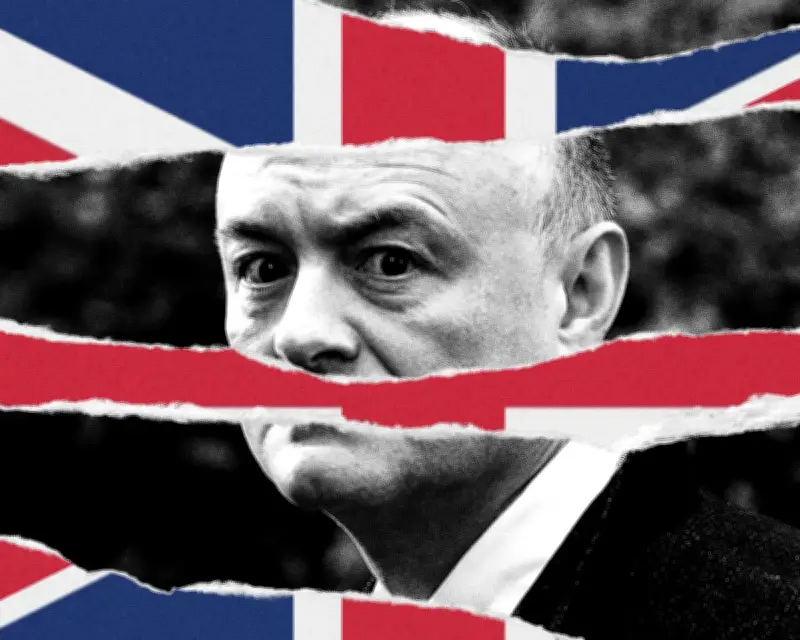
Ten years after the UK voted to leave the European Union, a new quiz tests knowledge of the key symbols and moments that defined the Brexit era. From the return of blue passports to the bonging of Big Ben and the rise of BPoplive, the anniversary quiz covers the cultural and political touchstones of the post-referendum period.
Blue passports and national identity
The iconic blue passport, which replaced the burgundy EU version, became a potent symbol of Brexit. The UK government announced in 2017 that passports would revert to blue and gold, with the first ones issued in 2020. According to HM Passport Office, over 5 million blue passports were issued in the first year alone. The change was championed by then-Prime Minister Theresa May, who called it "an expression of our independence and sovereignty."
Big Ben and the bongs of Brexit
Big Ben’s bongs marked several Brexit milestones. On 31 January 2020, the bell tolled at 11 pm to celebrate the UK’s departure from the EU. The event was broadcast live on BBC, with crowds gathered in Parliament Square. However, the bongs were controversial: some saw them as a celebration, while others viewed them as divisive. The clock’s chimes also marked the end of the transition period on 31 December 2020.

BPoplive and the Brexit culture wars
BPoplive, a pro-Brexit music festival, emerged as a cultural phenomenon. Organised by Leave-supporting activists, it featured bands and speakers celebrating British sovereignty. The first event in 2019 drew around 2,000 attendees, according to organisers. Critics dismissed it as a publicity stunt, but supporters argued it represented a grassroots movement. The festival has since become an annual event, with the 2023 edition attracting over 5,000 people.
Other quiz topics and key figures
The quiz also covers other Brexit-related items, including the £350 million bus claim, the role of Nigel Farage, and the impact on trade deals. According to a 2024 survey by the National Centre for Social Research, 55% of Britons now think Brexit was a mistake, up from 45% in 2020. The anniversary quiz invites participants to reflect on how much has changed since 2016.