Brent Council Approves 2026 Budget with Tax Increase and Major Investments
Brent Council has formally ratified its budget and council tax plans for the 2026 financial year, following a Full Council meeting. The approved measures include a maximum council tax rise of 4.99%, effective from April, alongside a substantial £330 million investment programme targeting regeneration, infrastructure, and public services across the borough.
Financial Context and Council Tax Implications
Despite receiving a £70.4 million funding uplift from the government's Fairer Funding Review, the council faced a £10.4 million shortfall, necessitating both the tax increase and additional service cuts. Council Leader Cllr Muhammed Butt acknowledged the budget "does not dodge the hard facts" but emphasized it aims to deliver "a cleaner, safer, and more affordable borough" through strategic investments.
The council tax increase will see the average Band D property in Brent paying £1,724.76 annually, plus an expected £510.51 from the mayoral precept, totaling £2,235.27. This rise is projected to generate an additional £12.2 million in income for the upcoming year. To address the budget gap, the council plans to implement service redesigns using AI and sell off some empty buildings, though comprehensive details on the £10.4 million in cuts were not fully disclosed.

Regeneration and Housing Projects
The budget allocates approximately £240 million to housing and regeneration initiatives, responding to challenges such as rising construction costs, higher borrowing rates, and stricter building safety regulations that hindered housebuilding in 2025. With inflation easing and adjusted affordable housing targets in London, the council anticipates a more productive year for development in 2026.
Key investments include:
- £23.1 million for the Wembley Housing Zone, delivering 291 new homes.
- £45.6 million for Bridge Park Regeneration, funding a new leisure centre.
- £11.2 million for the College of North West London regeneration, unlocking a £150 million redevelopment with education facilities and nearly 2,000 homes.
- £81.3 million for South Kilburn Regeneration, including a new school, public realm improvements, and a district heat network for over 2,600 homes.
- £60 million for housing supply and temporary accommodation to reduce reliance on costly nightly rates.
Additionally, £18.3 million is earmarked for major repairs and fire safety improvements to existing council homes, following the council's self-referral to the housing regulator due to identified weaknesses in handling repairs, including damp and mould issues.
Public Spaces and Infrastructure Enhancements
Over £26 million is dedicated to programmes directly impacting residents' daily lives, focusing on cleanliness, health services, and community facilities. Breakdown of allocations:
- £3 million for cleaning streets and public spaces.
- £10.5 million to modernize libraries, leisure centres, and family wellbeing centres.
- £3 million for the Willesden Health and Wellbeing Hub, integrating NHS and community services at Gladstone Park.
- £5.1 million from the Community Infrastructure Levy for neighbourhood projects.
- £1.5 million from Pride in Place funds to improve parks and high streets.
- £4 million to modernize youth centres across the borough.
Roads, Pavements, and Transport Infrastructure
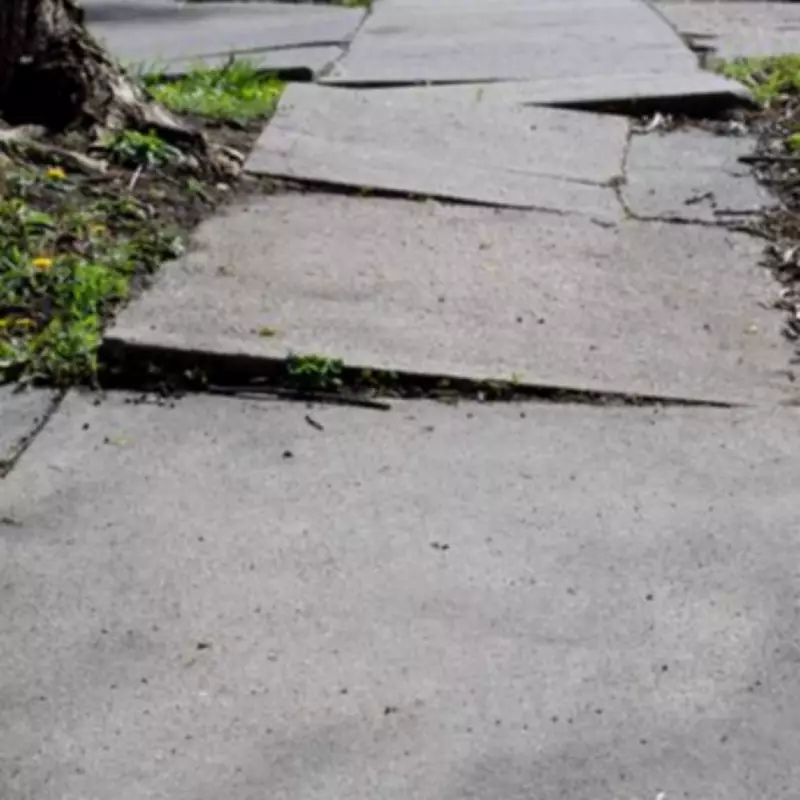
Addressing resident concerns over potholes, cracked pavements, and transport services, the budget sets aside around £5 million for travel improvements. This includes:
- £4.3 million annually for highway infrastructure, covering road resurfacing, pavement repairs, and street lighting upgrades.
- £600,000 for the West London Orbital project to advance a new rail link to Old Oak Common and HS2.
The council has previously paid significant compensation for accident and injury claims related to pavement and road defects, underscoring the need for these investments.

Schools and Special Educational Needs
In response to rising demand, the council will invest over £4 million to create more than 200 new Special Educational Needs and Disabilities (SEND) places within the borough, along with a new post-16 skills centre. A consultation is ongoing for a new 50-place SEND provision at the Strathcona site in Preston Park.
By expanding local SEND provision, the council expects to reduce annual costs by £4.3 million and alleviate financial pressure on the special needs transport budget by £1.3 million yearly. Currently, sending pupils to out-of-borough and independent placements costs £17.5 million annually, plus an additional £6 million in transport expenses.
The budget reflects Brent Council's commitment to balancing fiscal challenges with targeted investments in housing, education, and infrastructure, aiming to enhance the quality of life for residents while addressing core service demands.