Suella Braverman's Controversial Equality Act Pledge
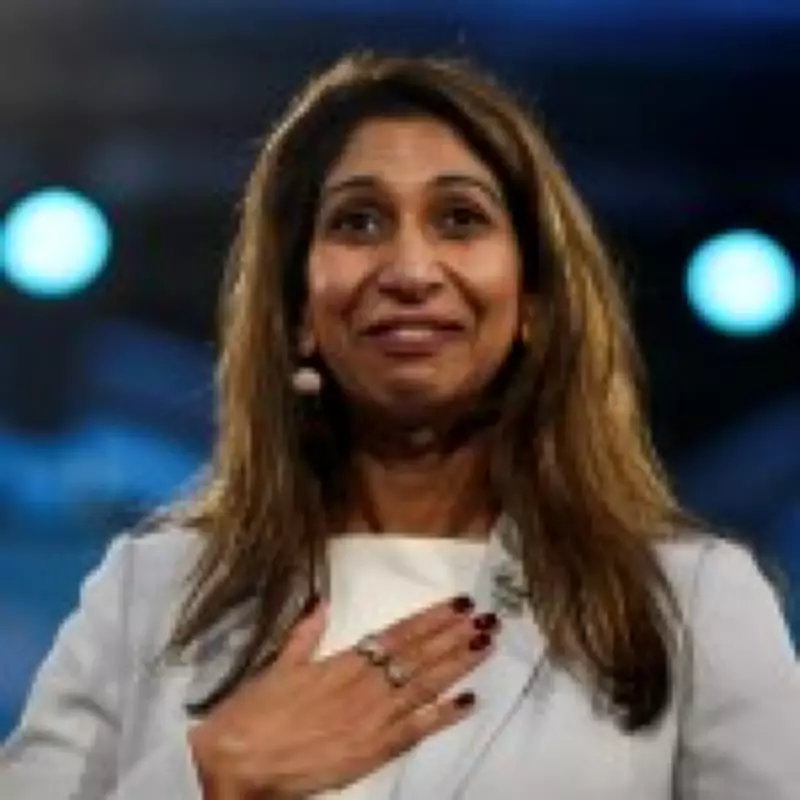
When Nigel Farage announced Suella Braverman as Reform UK's lead spokesperson on education, skills and equalities, few anticipated the immediate controversy that would follow. Within moments of accepting her new role, the former Home Secretary declared her intention to dismantle one of Britain's fundamental protections against discrimination.
'On day one, we will get rid of the equalities department, we will scrap the equalities minister and we will repeal the Equality Act,' Braverman announced to Reform UK's press conference yesterday. This declaration has sent shockwaves through communities that rely on this legislation for protection.
The Irony of Heritage and Policy
What makes Braverman's position particularly striking is her own background as a woman of Indian heritage. The Equality Act represents the very legislation that would shield her from racism or sexism should she encounter such discrimination. For many Indian women watching this development, the contradiction is both painful and perplexing.

Braverman and I share similar roots in West London. She was born in Harrow and raised in Wembley, while my parents settled in Southall and I later lived in Hounslow. We both come from families shaped by the legacy of British colonialism, yet our paths have diverged dramatically. While I've worked to build safe spaces for South Asian and queer communities, Braverman appears determined to strip rights from these very groups.
A Pattern of Anti-Migrant Politics
Braverman's stance continues a troubling pattern among some South Asian conservatives in British politics. Former Tory ministers Sajid Javid and Priti Patel have previously acknowledged that immigration rules they supported might have prevented their own parents from settling in the UK. Now Braverman proposes eliminating the legal framework that protects against discrimination based on heritage and identity.
Her Reform colleague Zia Yusuf has vaguely suggested there would be a new act to protect people, but no details or substance have been provided. This lack of concrete alternatives makes Braverman's pledge appear more like political theater than serious policy.
The Rhetoric of Division
In her speech, Braverman framed her approach as building 'a country defined by meritocracy not tokenism, personal responsibility not victimhood, excellence not mediocrity, and unity not division.' Yet many question what could be more divisive than removing legal protections from marginalized groups.
The UK faces numerous pressing issues including NHS challenges, wealth inequality, and economic pressures. None of these problems are addressed by stripping rights from vulnerable communities. We need practical solutions to real problems, not symbolic gestures that endanger hard-won protections.
A Dangerous Political Climate
With Reform UK consistently leading in polls and Braverman now positioned as a key spokesperson, her inflammatory rhetoric takes on greater significance. This appears to be just the beginning of what could become a sustained attack on equality protections in Britain.
As an Indian woman, I don't need someone who shares my heritage committing to strip away rights that protect both of us. Even with our political differences, I don't wish for Braverman to experience racism or sexism. But without the Equality Act as recourse, I cannot imagine how she or anyone else would find justice if discrimination occurs.
The protection of the Equality Act matters not just for marginalized communities, but for everyone who believes in a fair and just society. We must defend these protections vigorously, recognizing that true unity comes from ensuring everyone has equal standing before the law.