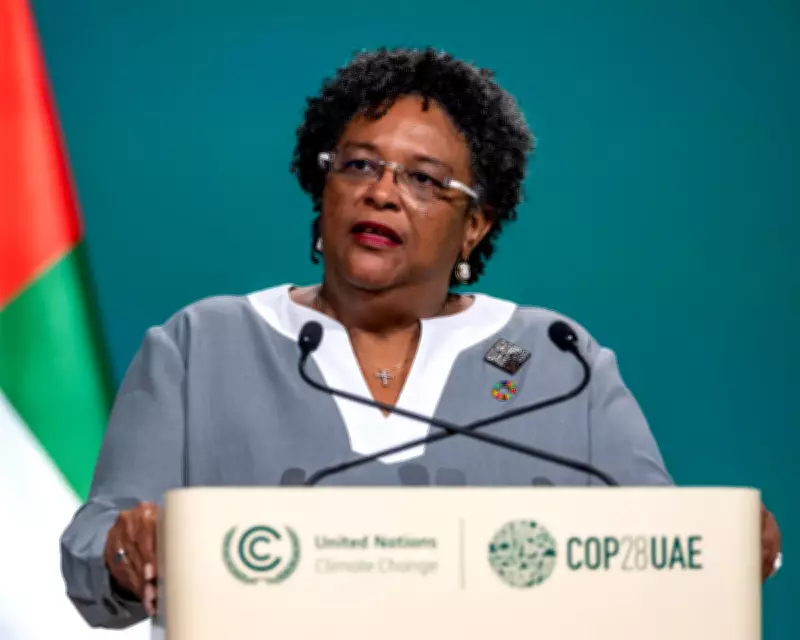
Barbados Prime Minister Mia Mottley Set for Third Term Victory
Barbados Prime Minister Mia Amor Mottley is poised to secure a third consecutive term in office as the Caribbean nation heads to the polls this week. The global climate action advocate and first female leader since independence in 1966 appears set for another electoral victory despite voter concerns over domestic issues.
Overwhelming Poll Support for Mottley's Leadership
Recent polling data reveals substantial backing for Mottley's Barbados Labour Party (BLP), with nearly 80% of decided voters indicating support for the ruling party. The survey, commissioned by local media outlets the Nation and Starcom, shows Mottley herself enjoys 61.2% approval among respondents, compared to just 18% for opposition Democratic Labour Party (DLP) leader Ralph Thorne.
Only about 10% of those surveyed expressed willingness to consider voting outside the two main political parties, suggesting a consolidation of support for the BLP following landslide victories in 2018 and 2022.

Voter Concerns and Political Landscape
The polling also reveals significant voter apathy, with nearly half of the electorate interviewed stating they remain undecided or plan not to vote. Among those engaged in the political process, the high cost of living and crime emerge as pressing concerns that could influence voting patterns.
The opposition DLP has capitalised on these issues, accusing the government of broken promises while pledging to prioritise crime reduction, tax cuts, and improved affordability for citizens. The BLP has defended its record, highlighting achievements despite facing multiple international crises including the COVID-19 pandemic, volcanic eruptions, and tropical storms.
Economic Resilience and International Standing
Barbados's economy continues to demonstrate remarkable resilience according to World Bank data, with real GDP growth reaching 4.0% in 2024. This economic performance has been driven by robust activity in key sectors including tourism, construction, and business services.
Mottley's strong international advocacy for climate action and support for small, vulnerable nations has elevated her status as an influential regional and global leader. Her position on the world stage appears to resonate with many Barbadian voters who value strong representation during challenging international circumstances.
Voter Perspectives and Expert Analysis
On the ground in Barbados, opinions reflect the complex political landscape. Retired manager Orville Browne expressed continued support for the government, stating: "When things are rough internationally, you need somebody who could stand up and speak for the country. I trust that more than promises. So yes, I am supporting the government again, but I am expecting them to deal better with prices and crime this time."
Construction worker Anthony Sobers offered a contrasting view: "This government get too comfortable. Everything centralised, everything tight, and ordinary people feeling it. Prices high, crime high, and when you complain, it feel like you are talking to yourself. I am ready for a change."
Caribbean political analyst Peter Wickham suggests the election outcome hinges on two key factors: "The viability of the DLP and confidence in prime minister Mottley. I don't believe anyone expects that she will lose. The conversations we've been having are about the degree of victory."
University of the West Indies expert George Belle concurs, noting the significant challenge facing opposition parties: "The Barbados Labour party is coming out of two historic victories where they won all the seats in the general elections. It will take a tremendous swing to overturn the majority that the Barbados Labour party has."
Regional Context and Future Implications
The Barbados election occurs within a broader Caribbean political context where governments across the region have faced similar challenges related to cost of living and crime. As Wickham observes: "We've seen elections across the region where the issues were the same, and governments have won and governments have lost on different occasions."

Mottley's potential third term would reinforce her position as a leading voice for climate action and small island states on the global stage, while presenting continued opportunities to address domestic concerns that have emerged during her previous terms in office.