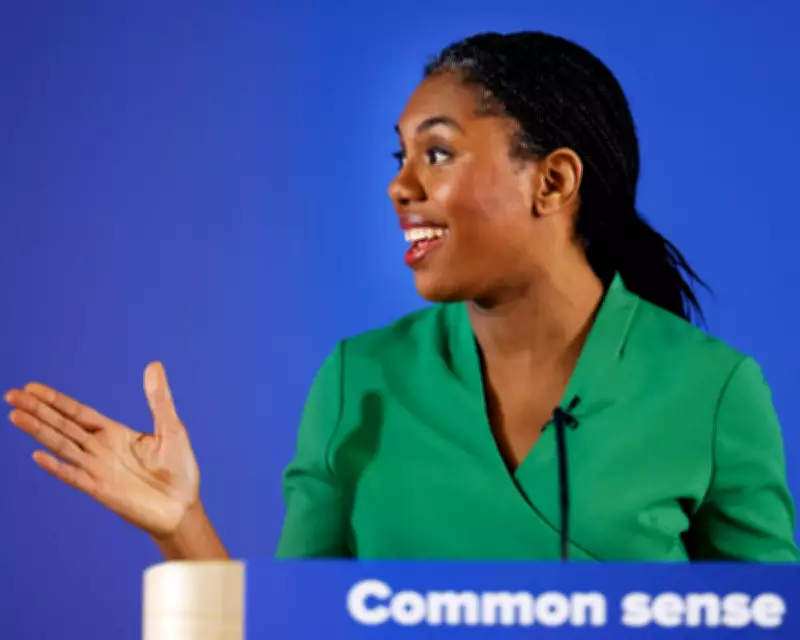
Kemi Badenoch's Nuclear Deterrence Confusion Sparks Psychological Symposium Predictions
Conservative Party leader Kemi Badenoch appeared to demonstrate fundamental misunderstanding of nuclear deterrence principles during a recent BBC Today programme interview, sparking widespread criticism and satirical predictions about future psychological symposiums dedicated to analyzing her contradictions.
The Interview That Jumped the Shark
On Thursday, March 5, 2026, Badenoch participated in what commentators are calling a defining moment in political broadcasting history. Interviewer Nick Robinson attempted to clarify her position on American military actions against Iran, only to encounter what appeared to be complete confusion about basic defense strategy.
The exchange revealed startling gaps in historical awareness, with Badenoch showing no recollection of British military engagements in Iraq, Afghanistan, and Libya. When pressed about her stance on escalating conflict, she contradicted herself multiple times, eventually stating she wanted to "escalate the war and bomb Iraq" - a position that left Robinson visibly struggling to maintain professional composure.

Psychological Symposium Predictions Emerge
Political commentators have begun speculating about future psychological conferences dedicated to understanding what they term "the Badenoch phenomenon." Satirical predictions suggest that by 2032, psychiatrists and therapists from various schools of thought - Freudians, Jungians, cognitive behaviorists, and others - will gather for what could become the most oversubscribed symposium in therapeutic science history.
The central question proposed for such gatherings: "Who or what is Kemi? More importantly, why is Kemi?" Some theorists suggest she represents a unique case study in political psychology, while others speculate about more extraordinary origins.
Consistent Contradiction as Political Strategy
What observers agree upon is Badenoch's remarkable consistency in being wrong about everything, according to her critics. The Today programme interview showcased this pattern dramatically, with the Conservative leader contradicting herself multiple times within single responses.
Her apparent lack of understanding about nuclear deterrence principles particularly alarmed defense experts. She seemed unaware that strategic restraint has historically prevented nuclear conflict, instead suggesting preemptive attacks on adversaries to maintain "the element of surprise."
Political Context and Public Reaction
The interview occurred against a backdrop of significant public support for Prime Minister Keir Starmer's defensive position regarding Middle Eastern conflicts. Recent polling suggests nearly 50% of voters support Starmer's approach, compared to only 20% backing Badenoch's stance.
Even Reform UK voters reportedly oppose military escalation, making Badenoch's position particularly isolated. The interview's timing proved especially awkward as Starmer's government maintained a cautious, consultative approach to international conflicts.
Broader Implications for Political Discourse
Analysts suggest the interview reveals deeper issues within contemporary political communication. Badenoch's performance highlighted what critics describe as:
- Fundamental gaps in historical military knowledge
- Inconsistent policy positions within single interviews
- Apparent disregard for established defense doctrine
- Isolation from mainstream political consensus
The episode has renewed debates about political accountability and the minimum knowledge requirements for national leadership positions. As one commentator noted, the interview wasn't just poor politics - it was "comedy gold" that revealed serious deficiencies in strategic thinking.
Looking Forward: Political and Psychological Analysis
While the satirical predictions about psychological symposiums remain humorous speculation, they point to genuine concerns about political leadership standards. The Badenoch interview has become a case study in how not to conduct foreign policy discussions, with implications for:

- Political communication training
- Defense policy education for politicians
- Media interview preparation standards
- Public expectations of leadership competence
As the political landscape continues to evolve, this interview may be remembered as a watershed moment in public expectations of political expertise, particularly regarding complex international security matters that demand nuanced understanding rather than simplistic solutions.