
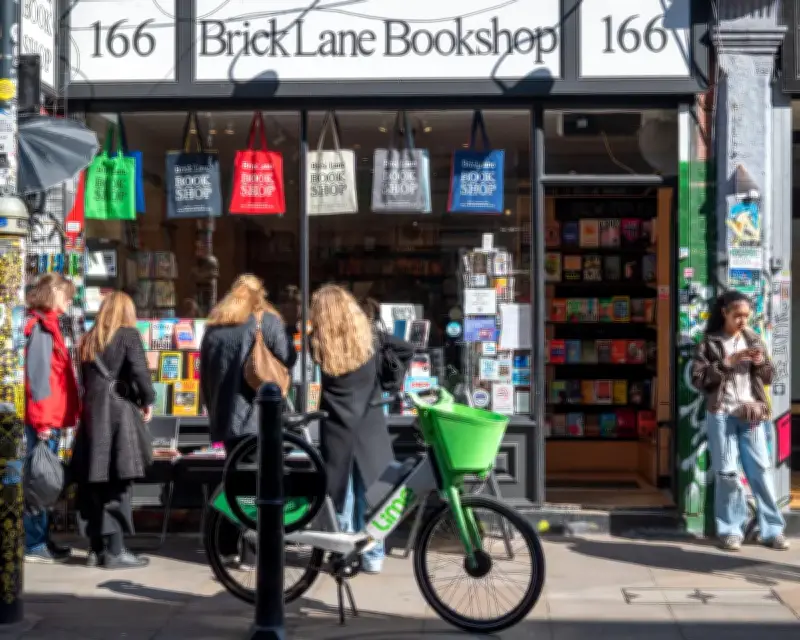
More than 230 independent booksellers have signed an open letter urging the prime minister and chancellor to extend business rates relief to bookshops, with authors including Philip Pullman and Maggie O’Farrell backing the campaign. The letter, organised by the Booksellers Association, warns that rising bills could put some shops at risk of closure.
Campaign for Equal Treatment
The letter, sent on 13 August, states that bookshops were “deeply disappointed” to learn they would not be included in the additional relief announced by the government last month. That relief provides a 20% reduction in business rates for pubs, clubs and live music venues from April 2027. The authors argue that bookshops deliver significant community benefit and deserve similar support.
“The government has accepted that businesses which deliver significant community benefit deserve targeted support. Bookshops clearly meet that test,” the letter reads. It also highlights the National Year of Reading, saying that “business rates relief for bookshops would also provide a meaningful legacy” and warning that the government’s current approach risks being contradictory: “promoting reading on the one hand while implementing policies that reduce investment in bookshops and may contribute to their closure on the other.”
Authors and Booksellers Speak Out
More than a dozen authors have expressed support, including children’s laureate Patrice Lawrence, Adam Kay, Lemn Sissay, Anthony Horowitz, Patrick Ness, Donna Ashworth and Rachel Joyce. Maggie O’Farrell, author of Hamnet, said: “Independent bookshops are the beating hearts of our high streets and communities. They need all the support we can give them.” Katherine Rundell added: “To lose [bookshops] from our high streets would be to chip away at our culture, and at our ability to access fresh thought and new ideas.”
Philip Pullman described independent booksellers as “lighthouses” in the “current encircling corporate darkness,” saying they are “almost the last beacons shining to remind us about private reading, personal discovery, and the life-saving joy of encountering minds and hearts that speak to us as one person to another.”
Financial Impact and Response
Analysis commissioned from economic consultancy Cebr found that independent bookshops in England not eligible for full small business rates relief face an average annual increase of £4,563 by 2029-30, with some bills expected to double when transitional relief ends. Across the sector, business rates receipts are projected to increase by 45% nominally. For the average independent bookshop, Cebr estimates this would require selling an extra 1,141 books a year to cover the additional cost.
The Treasury has argued that bookshops already receive support through permanently lower business rates multipliers and a £4.3bn package intended to limit increases in bills. However, separate Booksellers Association research shows 85% of independent booksellers say they are less likely to invest in stock, staffing, events or their premises as a result of business rates changes.
Laura McCormack, the Booksellers Association’s head of policy and public affairs, said restricting high-street businesses deemed as negative was “only half the job.” She added: “You can’t rebuild Britain’s high streets by tackling the wrong businesses while making it harder for the right ones to succeed.”




