A man who helped his wife end her life at the Dignitas clinic in Switzerland has launched a scathing attack on the House of Lords, accusing a small group of peers of insulting the terminally ill by attempting to derail crucial legislation.
The Profound Agony of a Dignitas Journey
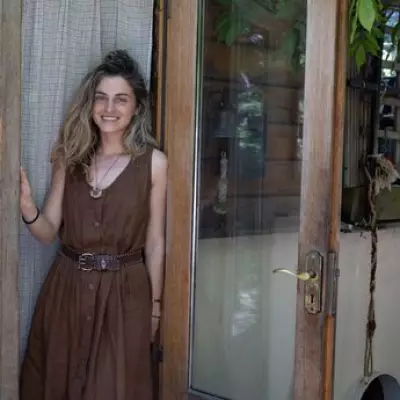
Dave Sowry, a retired systems analyst, described the intense emotional and legal turmoil he and his wife Christy endured. In September 2022, he returned to London from Zurich alone, fearing prosecution after supporting Christy's assisted death. He recalls the day not only for its profound sadness, but for the peace it brought her, allowing her to avoid the worsening pain she dreaded.
Christy's diary entries reveal her mindset. "I'm not prepared to go on living this painful and difficult life as it continues to worsen," she wrote. She expressed relief at finding an option for assisted dying, after living under a "cloud of fear" for two years as her independence eroded.

Contrary to assumptions, the process was far from easy. Sowry detailed six months of "covert bureaucracy," constant stress of discovery, and anxiety over the legal jeopardy he faced. "Why should anyone have to go through all that additional trauma at the most vulnerable time of their life?" he asked.
A Campaign Born from Personal Trauma
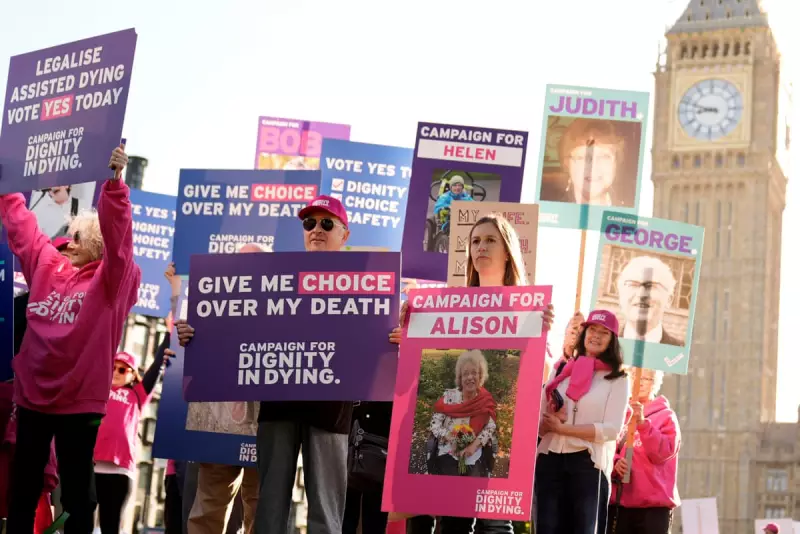
Now a board member of the campaign group My Death, My Decision, Sowry said he was horrified by the conduct of peers during the committee stage of the Assisted Dying Bill. After watching the debates, he was compelled to ask: "What about terminally ill people? Why is no one talking about them?"
He urged the Lords to consider how those with weeks or months to live would want to spend their remaining time—visiting loved ones, reflecting, and fulfilling final wishes—not entangled in bureaucratic webs simply to secure a compassionate option.
The 'Depressing' Reality of Parliamentary Delay
Sowry has listened to every minute of the debate and scrutinised the over 1,127 amendments tabled. He labels this filibustering tactic as "depressing" and a pretence that frustrates progress. He challenges peers to answer a fundamental question: if perfect palliative care and all possible safeguards were in place, would they still oppose the bill in principle? For many, he suspects the honest answer is "yes."
"Everyone agrees the current system is unsafe and the status quo is unacceptable," Sowry stated. He called for honesty from those who intend to deny the choice of an assisted death, accusing them of hiding behind procedural manoeuvres.
Addressing claims of the moral high ground, he asserted: "Your moral framework is no more valid than mine is." He emphasised that the bill does not compel anyone to act against their conscience but seeks to provide an option for those like his wife, who suffered under the present law.
His final plea to the Lords was clear: "Please remember at all times whom the bill is for. It's for people like my wife, Christy. Your job is to improve the bill in order to help them, not put barriers in their way."