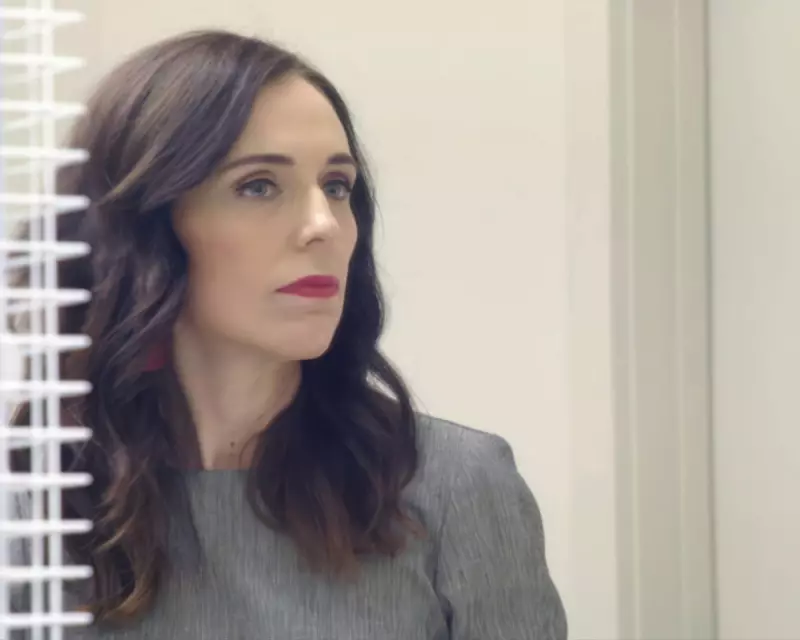
Former PM's Personal Life Revealed in Groundbreaking Documentary
In a remarkably intimate portrayal, former New Zealand Prime Minister Jacinda Ardern appears bleary-eyed in pyjamas, wiping crumbs from kitchen counters and breastfeeding her child in footage originally shot on her husband's phone for family use. These private moments, never intended for public consumption, now form the centrepiece of a new documentary titled Prime Minister, scheduled for British cinema release this December.
The film represents the latest development in Ardern's ongoing campaign to encourage public acceptance of politicians' humanity - acknowledging that those in leadership positions face the same personal pressures and challenges as ordinary citizens. This theme also dominated her recent memoir, A Different Kind of Power, and characterised much of her approach to governance during her time in office.
The Double-Edged Sword of Political Humanity
While the concept of recognising politicians as human beings with personal lives seems straightforward, the reality proves considerably more complex. The documentary shows Ardern attempting work calls while simultaneously retrieving items her curious toddler has picked up from her desk - scenes countless working parents will recognise, yet somehow more striking when the parent in question leads a nation.
This raises difficult questions about when displays of humanity become strategic tools in politics. As Guardian columnist Gaby Hinsliff observes, "It's hard to be angry with someone you have watched rocking a Moses basket while trying to do their paperwork." Yet this very emotional disarming potentially deflects from legitimate political criticisms and substantive policy debates.
The timing of such personal revelations becomes particularly significant. Both Keir Starmer and Rachel Reeves have recently shown more personal sides ahead of what promises to be a challenging budget announcement. Starmer published an open letter to his teenage son for International Men's Day, while Reeves expressed frustration about newspaper columnists mansplaining economics to her.
Pandemic Leadership Under Scrutiny
New Zealand's Royal Commission on pandemic lessons delivered its first report this summer, providing objective assessment of Ardern's leadership during the global health crisis. The commission judged her "be strong and be kind" strategy effective in public health terms, particularly her decision to seal borders early which helped contain infections until vaccines became available.
This approach meant New Zealand spent less time in strict lockdowns than many other nations and maintained lower infection rates during the critical pre-vaccination period. The contrast with Britain's COVID inquiry verdict on Boris Johnson's government - described as "too little, too late" - could hardly be more striking.
However, the commission also highlighted significant costs to Ardern's strict pandemic measures. Border restrictions stranded foreign students and separated families for nearly two years, causing what the report described as "lasting psychological distress." Similarly, her decision to make vaccination compulsory for certain jobs and social gatherings, while reasonable from a public health perspective, cost some vaccine refusers their employment and left others feeling socially ostracised.
The Fundamental Challenge of Political Humanity
The central tension explored in both the documentary and broader political discourse revolves around a simple but profound question: How much humanity do we truly want from our leaders during existential crises? While we acknowledge their human limitations intellectually, during emergencies we often crave superhuman competence and infallibility.
As Hinsliff notes, "In life-threatening situations, the idea that leaders are not all-powerful is a terrifying concept." This perhaps explains why so many people prefer to rage against political failures rather than accept that everyone, including those in power, has limitations.
The documentary premiered at the Sundance Film Festival earlier this year, where it won an audience award. However, some critics in New Zealand have questioned whether it focuses too heavily on Ardern's personal narrative at the expense of rigorous examination of her political achievements and policy outcomes.
What emerges from both the film and the pandemic commission report is the uncomfortable truth that even the best leadership involves difficult trade-offs, and in crises where collective benefit inevitably causes individual hardship, perfect outcomes remain mathematically impossible. The documentary ultimately challenges viewers to reconsider not just their expectations of leaders, but their own capacity for understanding human fallibility in those who govern them.