Antisemitism on the Rise in Modern Britain
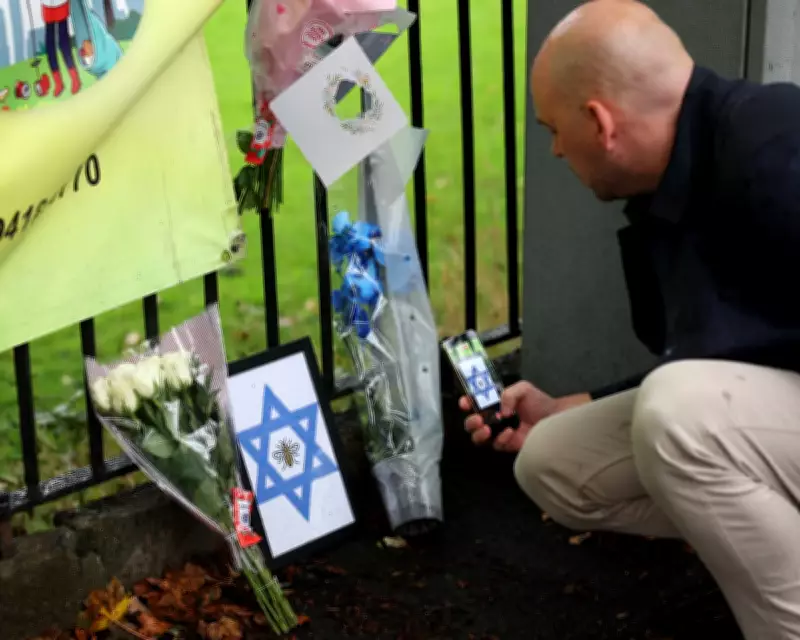
Flowers and tributes were left at the scene of a terror attack at a synagogue in Manchester last October, a poignant reminder of the growing threats facing the Jewish community in 21st-century Britain. In a series of letters to the Guardian, readers express deep concern over the surge in antisemitic incidents, highlighting how Jews are living in fear amidst a climate of hatred and violence.
Timely Warnings and Stark Statistics
Jonathan Freedland's article on the dangers facing Jews in the diaspora has sparked urgent responses. Zaki Cooper and Susan Saffer note that antisemitism, often described as a light sleeper, is stirring once more in modern Britain. This modern antisemitism draws from multiple sources, including the far right, the extreme left, and Islamist-inspired hatred, infecting various public-facing institutions like a virus.
The scale of the problem is stark. According to the Community Security Trust's latest Antisemitic Incidents Report, there were 3,700 antisemitic incidents across the UK in 2025, the second-highest annual total ever recorded, surpassed only by 2023. Jewish schools operate behind heavy security, a situation described as nothing short of a disgrace in 21st-century Britain.

Personal Accounts of Fear and Disquiet
Susan Saffer, responding to attacks on the Jewish charity Hatzola and the burning of four community ambulances, shares her distress and alarm. At 74, she now understands the unease felt by previous generations, having lived openly as a Jew all her life in the UK. She expresses deep sadness that Jews are held culpable for the actions of the Israeli government, a notion she calls a thinly veiled disguise for antisemitism. For the first time, she hesitates to admit her Jewish identity outside her familiar circle, questioning how it has come to this.
Debating the Connections and Condemnations
In reaction to an article by David Davidi-Brown linking the arson attack on Hatzola ambulances in Golders Green to settler attacks on Palestinians in the West Bank, John Reizenstein argues this connection is wrong. He states that each event should be deplored independently, as harm in one does not justify harm in the other. Reizenstein emphasizes that the attack in Golders Green is evil in the absolute, regardless of actions in the West Bank.
Stories of Solidarity and Gratitude
Liz Fewings, who is not Jewish but lives in a Hassidic Jewish area of London, shares a personal story of gratitude. When her husband had a cerebral aneurysm, a Hatzola team arrived within minutes to provide resuscitation until NHS teams came. She expresses eternal gratitude for their efforts and disgust at the attack on their ambulances, highlighting the vital role such charities play in communities.
Calls for Action and Unity
Zaki Cooper calls for decisive action from the government and police, while urging the overwhelming majority of the British public to extend a hand of solidarity to the Jewish community. The message to zealots and bigots must be clear: antisemitism is not only an attack on Jews but an attack on Britain and its shared values. These letters underscore the urgent need to quell the flames of hate and protect all citizens from discrimination and violence.