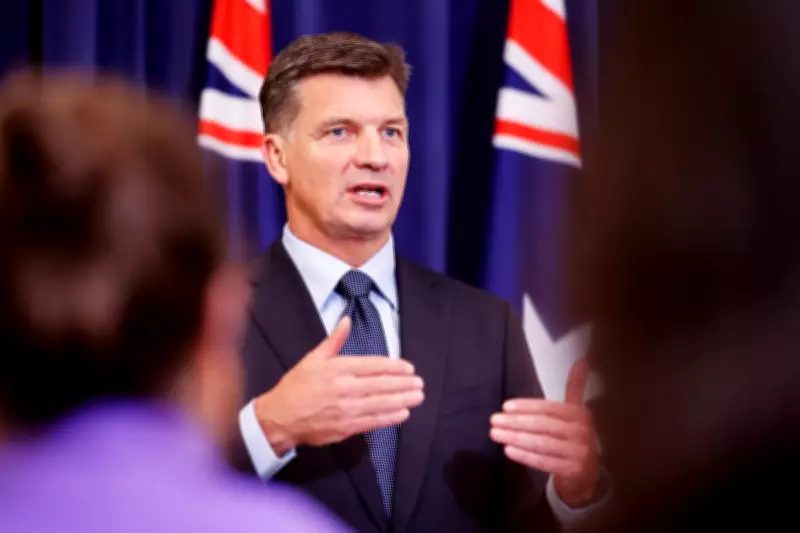
Angus Taylor's Frontbench Role in Liberal Party Sparks Debate
The appointment of Angus Taylor to the Liberal Party frontbench has become a focal point of political discourse in Australia, raising questions about his impact and the broader strategic direction of the party. As a prominent figure within the Liberal ranks, Taylor's elevation to this key position underscores his growing influence and the party's efforts to reshape its leadership team ahead of future electoral challenges.
Political Implications and Party Dynamics
Taylor's role on the frontbench is seen as a significant move that could affect the Liberal Party's policy agenda and public image. His background in economics and previous ministerial experience positions him as a potential driver of conservative economic policies, which may appeal to the party's base but also draw criticism from opponents. This development comes at a time when the Liberal Party is navigating internal divisions and seeking to redefine its identity in the wake of recent electoral setbacks.
The debate surrounding Taylor's appointment highlights deeper tensions within the party, including disagreements over policy priorities and leadership styles. Some party members view his inclusion as a step toward strengthening the frontbench with experienced hands, while others express concerns about potential conflicts or a shift toward more hardline positions. These discussions are not just about Taylor individually but reflect broader struggles within Australian politics over ideology and governance.

Public and Media Reaction
Media coverage and public commentary have amplified the controversy, with analysts speculating on how Taylor's presence might influence the Liberal Party's electoral prospects. His track record in previous roles, such as in energy and emissions reduction, has been both praised and criticized, adding layers to the debate. Supporters argue that his pragmatic approach and expertise are assets, whereas detractors point to past controversies as reasons for caution.
This increased scrutiny underscores the high stakes of frontbench appointments in shaping political narratives. As the Liberal Party aims to rebuild and connect with voters, Taylor's actions and statements in his new role will likely be closely monitored, potentially affecting public perception and party unity. The ongoing discourse serves as a reminder of the volatile nature of political leadership and the constant balancing act required in modern governance.