A major independent report has delivered a scathing assessment of how police and society tackle sexually motivated crimes against women in public spaces, revealing systemic failures and a lack of priority given to these offences.
'Tormented' by Final Hours: A Mother's Unrelenting Grief
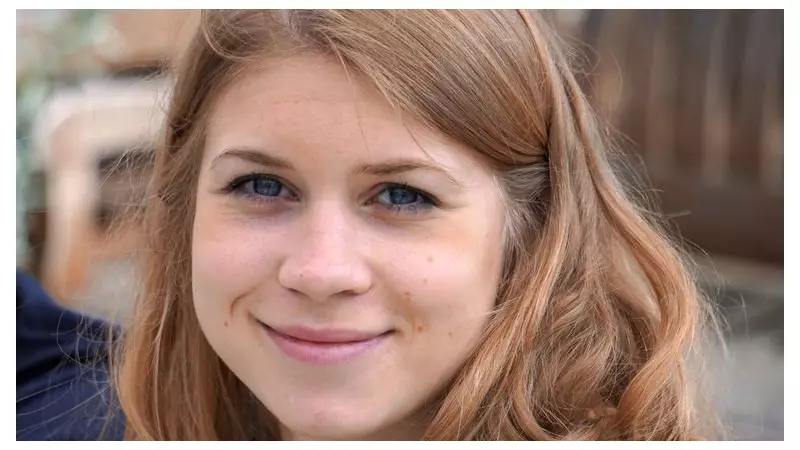
As the second part of the Angiolini Inquiry was published, the mother of Sarah Everard, Susan Everard, shared her profound and ongoing anguish with the investigation. She described a "turmoil of emotions - sadness, rage, panic, guilt and numbness" four years after her daughter's murder.
"When I think of her, I can't get past the horror of her last hours. I am still tormented by the thought of what she endured," she told the inquiry. Ms Everard spoke of the life stolen from her 33-year-old daughter: "There will be no wedding, no grandchildren, no family celebrations with everyone there."

Systemic Failures and a Call to 'Get a Move On'
The inquiry, led by former solicitor general for Scotland Lady Elish Angiolini, was launched after Ms Everard was abducted, raped, and murdered by off-duty Metropolitan Police officer Wayne Couzens in March 2021. Publishing her findings on Tuesday 2 December 2025, Lady Angiolini issued a stark warning: "There is no better time to act than now. I want leaders to, quite simply, get a move on. There are lives at stake."
Her report found that despite violence against women and girls being declared a "national threat" by the Home Office, the police response "lacks what is afforded to other high-priority crimes." She stated that prevention remains "just words" and that the issue cannot credibly be called a national priority until this disparity is addressed.
Key findings include:
- 26% of police forces have yet to implement basic policies for investigating sexual offences, including indecent exposure.
- A "critical failure" in data collection, with information on these crimes described as "difficult to obtain, patchy and incomplete."
- A recommendation from the inquiry's first report—to bar those with sexual offence convictions from policing—has not been implemented.
A Society-Wide Issue Demanding Urgent Reform
The report underscores that this is a whole-society problem requiring coordinated action. Lady Angiolini emphasised that these crimes are "not inevitable" and called for them to be treated as both a criminal and a public health matter.
Her 13 recommendations call for:
- Better national data collection and sharing.
- Centrally managed, consistent public messaging.
- An information programme for men and boys to foster positive masculinity.
- A mandate for police forces to follow specific procedures for investigating crimes against women and girls.
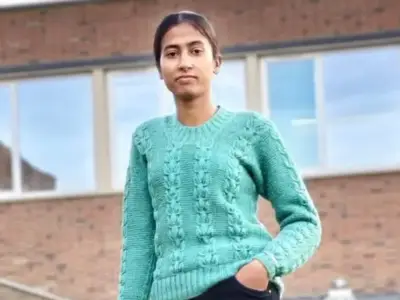
The human cost of these failures was highlighted by Farah Naz, aunt of Zara Aleena—a 35-year-old law graduate killed in June 2022. "Sarah's death exposed a system compromised from within. Zara's death shows that the gaps persisted - with fatal consequences," she said.
Responding to the report, Home Secretary Shabana Mahmood said the finding that women do not feel safe was "utterly unacceptable and must change." She announced a new £13.1 million centre to strengthen police response but said more action was needed.
The Angiolini Inquiry continues, with future parts set to examine police culture and the case of serial offender and former Met officer David Carrick.