Israel's President Herzog's Visit to UK Stirs Labour Party Tensions
The upcoming visit of Israel's President Isaac Herzog to the United Kingdom has become a focal point of political debate, particularly within the Labour Party, where backbenchers are expressing mixed reactions. This diplomatic event underscores the ongoing complexities in UK-Israel relations and highlights internal party divisions over foreign policy stances.
Labour Backbenchers Voice Concerns Over Herzog's Visit
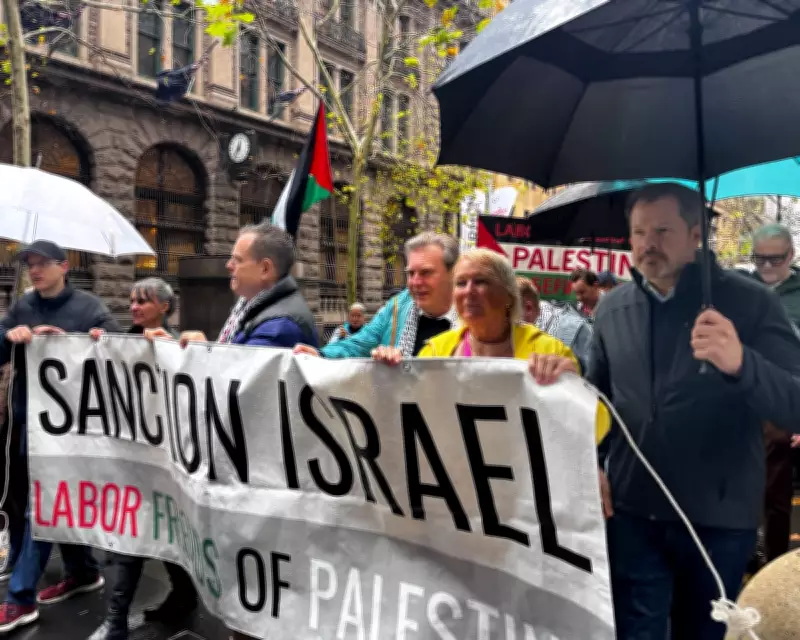
Several Labour backbenchers have raised objections to President Herzog's visit, citing concerns over Israel's policies in the Middle East. These members argue that the visit could be perceived as endorsing actions that conflict with Labour's values on human rights and international law. The debate reflects a broader struggle within the party to balance diplomatic engagement with principled stands on global issues.
In response, other Labour figures have defended the visit, emphasising the importance of maintaining open channels of communication with key allies like Israel. They argue that dialogue is essential for addressing conflicts and fostering peace in the region, suggesting that boycotting such visits could hinder diplomatic progress.

Implications for UK Foreign Policy and Party Unity
The controversy surrounding President Herzog's visit has significant implications for UK foreign policy and Labour Party unity. It exposes deep-seated disagreements among Labour members on how to approach international relations, particularly in contentious regions like the Middle East. This internal discord could impact the party's cohesion and its ability to present a unified front on global matters.
Moreover, the visit raises questions about the UK's role in mediating Middle East conflicts. As a key player in international diplomacy, the UK's handling of such visits can influence its credibility and effectiveness on the world stage. The Labour backbenchers' reactions highlight the need for a nuanced approach that considers both strategic alliances and ethical considerations.
Broader Context of UK-Israel Relations
This incident occurs against a backdrop of fluctuating UK-Israel relations, marked by periods of cooperation and tension. Historical ties between the two nations have been shaped by shared interests in trade, security, and cultural exchanges, but political differences over issues like settlements and peace processes have often strained the relationship.
The Labour Party's internal debate mirrors broader public sentiment in the UK, where opinions on Israel are diverse and often polarised. As such, President Herzog's visit serves as a litmus test for how political parties navigate these sensitive topics while maintaining diplomatic decorum and party discipline.
In conclusion, the planned visit of Israel's President Isaac Herzog to the UK has sparked a heated debate among Labour backbenchers, revealing internal divisions and challenging the party's foreign policy coherence. This situation underscores the intricate balance required in international diplomacy and the ongoing evolution of UK-Israel relations.