The Syrian army has ordered civilians to evacuate several neighbourhoods of Aleppo, as a third day of intense fighting with Kurdish-led forces raises fears of a broader conflict erupting across the country.
Evacuation Order and Shelling Begin
On Thursday, the Syrian government urged residents to leave the contested districts of Sheikh Maqsoud, Ashrafieh, and Bani Zeid. It set a deadline for the early afternoon, opening humanitarian corridors and offering displacement shelters. The army stated it would commence military operations against the Kurdish-led Syrian Democratic Forces (SDF) once the deadline passed, issuing maps of the specific areas to be cleared.
Shortly after the 1:30 pm local time deadline expired, shelling began, with both government forces and the SDF exchanging fire. This marks the most severe combat in Syria since the fall of the Assad regime in December 2024.

Mounting Humanitarian Toll and Displacement
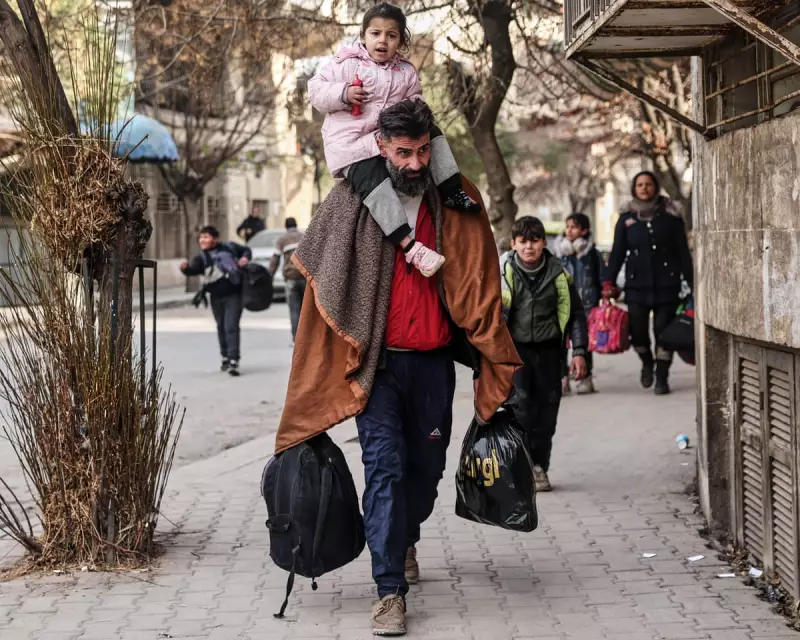
The human cost of the fighting is rapidly escalating. According to Aleppo's directorate of social affairs and labour, approximately 140,000 civilians have been displaced since clashes started on Tuesday. The casualty figures are also grim, with at least eight civilians killed in the Kurdish-majority neighbourhoods and seven civilians plus one soldier killed in government-controlled zones. Dozens more have been wounded on both sides.
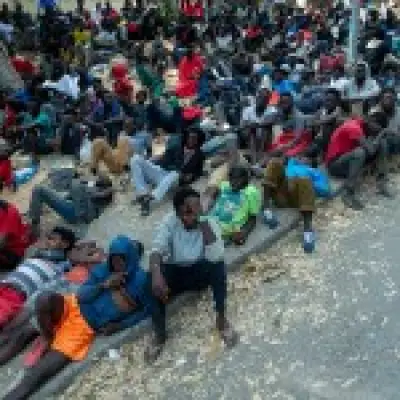
Many of those fleeing have travelled to other Syrian provinces, while others, lacking the means to move further, have sought refuge in nearby mosques and churches. Volunteer groups like the White Helmets have been assisting civilians in their hurried escape from the affected areas.
Roots of the Conflict and Stalled Agreements
The violence stems from deep-seated disagreements over the status of the SDF in post-Assad Syria. The SDF controls nearly a third of the country's territory and has been a key partner for US forces in the fight against Islamic State.
Despite a 10 March 2025 agreement for the SDF to integrate into the new Syrian army, the process has stalled. Disagreements over the terms of integration and autonomy persist. The SDF, alarmed by recent massacres on Syria's coast and in Druze areas involving government-backed forces, has become more determined to retain its weapons. This week's three-day battle represents the longest open conflict between the two sides since the March pact was signed.
A meeting on Sunday between Damascus and the SDF yielded no progress, and distrust is growing. Each side has accused the other of human rights violations. The government claims the SDF used civilians as human shields, while the SDF has shared videos purporting to show government forces shelling a hospital and residential areas in Sheikh Maqsoud.
Regional Reactions and International Appeals
The fighting has triggered demonstrations and sharp rhetoric. In Qamishli, the de-facto capital of SDF-controlled north-east Syria, thousands protested in solidarity with the Kurdish forces. SDF spokesperson Farhad Shami described Syrian government forces as "jihadists" and warned the Aleppo fighting "opened the door to the expansion of the war into other areas".
Internationally, a US State Department official urged restraint on Thursday, stating that US envoy Tom Barrack was attempting to mediate. "All parties should focus on how to build a peaceful, stable Syria that protects and serves the interests of all Syrians, rather than pushing the country back into a cycle of violence," the official said.
The US finds itself in a delicate position, balancing its longstanding alliance with the Kurdish forces against its evolving relationship with the new authorities in Damascus. Meanwhile, Turkey, which views the SDF as a terrorist-linked group, labelled it the "biggest obstacle to peace in Syria" and offered military aid to the Damascus government if requested.
With the Syrian army announcing its intention to remove Kurdish fighters from all of Aleppo city, and the SDF vowing to defend its positions, the risk of the conflict spreading further across northern Syria appears dangerously high.