New York and 24 US States File Lawsuit Against Trump's 'Illegal and Reckless' Tariffs
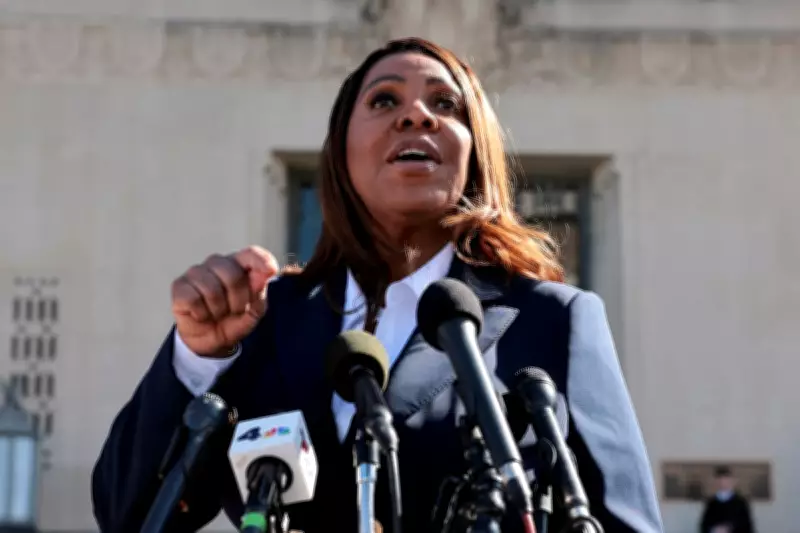
A coalition of Democratic attorneys general and governors across 24 US states has launched a major lawsuit against former President Donald Trump to block his latest round of tariffs, which they describe as "illegal and reckless." The legal action, spearheaded by New York Attorney General Letitia James, argues that Trump lacks the authority to impose these levies and demands that states be refunded for tariff costs.
Legal Challenge to Presidential Authority
The lawsuit, expected to be filed on Thursday in the US Court of International Trade, contends that no president has ever issued tariffs under Section 122 of the Trade Act of 1974. This law, originally created for outdated monetary balance problems, caps tariff rates at 15% for a maximum of 150 days. The White House plans to enact a new 15% tariff on all imports after the Supreme Court declared Trump's previous "liberation day" tariffs illegal, though the new rate has yet to take effect.
In a strongly worded statement, Letitia James accused Trump of "ignoring the law and the constitution to effectively raise taxes on consumers and small businesses." She emphasized, "The president is causing more economic chaos and expecting Americans to foot the bill. These tariffs will only drive up the cost of living, and I will continue to uphold the rule of law to protect New Yorkers."

Broad Coalition and Financial Demands
The legal team includes attorneys general from 21 other states, along with the governors of Kentucky and Pennsylvania. New York Governor Kathy Hochul echoed James's sentiments, calling the tariffs "illegal and reckless" and demanding the federal government "refunds the $13.5 billion taken from hardworking New Yorkers and end the economic chaos that these unlawful taxes have created."
White House spokesperson Kush Desai responded, stating the administration "will vigorously defend the president's action in court." He defended Trump's move, saying, "The president is using his authority granted by Congress to address fundamental international payments problems and to deal with our country's large and serious balance-of-payments deficits."
Confusion Over Refunds and Legal Battles
The Supreme Court's ruling did not provide clear guidance on refunds, creating significant confusion over how importers will be reimbursed for the over $130 billion in tariff payments collected by the US government. This issue is now left for lower courts to decide. The current suit is one of approximately 2,000, mostly from importers seeking their share of potential refunds.
Following the Supreme Court's decision, Trump immediately dismissed the idea of handing out refunds without a prolonged legal fight, remarking, "It's not discussed. We'll end up being in court for the next five years." However, on Wednesday, a US trade court judge ordered the federal government, specifically US Customs and Border Protection (CBP), to begin repaying potentially billions of dollars in refunds for tariffs paid by importers. A hearing is scheduled for Friday, where CBP officials are expected to discuss the agency's refund plans.
This lawsuit highlights ongoing tensions between state governments and federal trade policies, with significant implications for consumers, businesses, and the broader US economy. The outcome could set a precedent for presidential authority in imposing tariffs and the process for refunding collected funds.