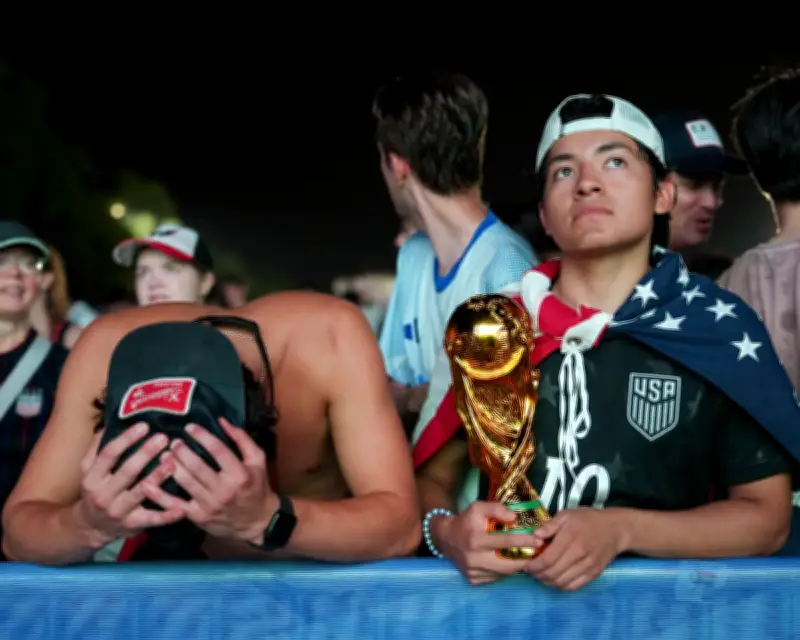
In the closing moments of the USA's 3-2 win against Portugal at the 2002 World Cup, ESPN commentator Jack Edwards delivered a soliloquy about the profound role World Cups play for American soccer. He spoke of the foundation laid by the 1950 team that beat England, the thousands of American families who helped the sport grow, and the seven- or eight- or nine-year-old kids who would dream of something greater.
A Humbling Defeat
During the USA's run at the 2026 World Cup, I often thought of Edwards's monologue. The streets teemed with red, white and blue on matchdays along the west coast. Eye-popping TV numbers dropped, with around 31 million viewers for a previous record-breaking broadcast. Groups of kids gathered at practice facilities and hotels, eager to catch a glimpse of their heroes. But on Monday night, the USA produced a disjointed 4-1 defeat against Belgium, lacking technical and tactical wherewithal compared to a very good Belgian side.
Wasted Opportunity
Millions of potential new fans tuned in for their first US men's national team experience, only to see a side that was not up to the task. The 2026 World Cup was supposed to herald the future for the US program, but instead, we are right back where we were: good against teams we should beat, but still waiting for a breakthrough against the teams we shouldn't. The US have just wasted the single biggest growth opportunity in the history of American soccer.