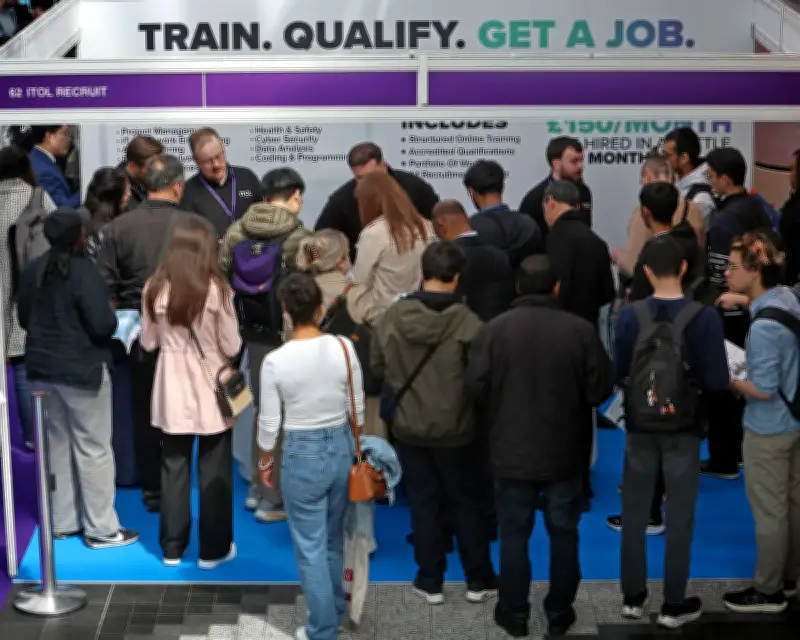
The transition to adulthood for young people in the UK is under scrutiny as policymakers consider new approaches to support those aged 18 to 25. Recent data shows that 43% of 25-year-olds still live at home, and many university graduates are returning to their parents' homes due to a challenging job market. This has prompted thinktanks and academics to call for a distinct policy framework for this age group, separate from both childhood and full adulthood.
Growing recognition of a new life stage
The Nuffield Foundation thinktank, after two years of research into changing journeys to adulthood, held a seminar this week to discuss the issue. The seminar brought together academic insights and Alan Milburn's review of why so many young people are Neet (not in education, employment or training). Milburn noted that councils must ensure teenagers study or train until 18, but after that, the state's responsibility ends. In contrast, the Netherlands extends state responsibilities up to age 24 or 27 in some cases, and has fewer Neets as a result.
Milburn suggested the British state is too quick to relinquish responsibility for young people struggling with the transition to adulthood. "We haven't aligned now with the reality of the transitions that young people are going through in their lives," he said.

Mental health services and the cliff edge
In Australia, the equivalent of Britain's children and adolescent mental health services runs from age 12 to 25, reflecting a growing medical argument that adolescence doesn't end neatly at 19. However, in Britain, teenagers face a sudden cliff edge when they move from children's mental health services to adult ones, where intervention thresholds are often higher. Even the new social media ban for under-16s assumes that 17-year-olds are mature enough to handle content they couldn't the day before.
The IPPR thinktank's State of A Generation project warns of a society where "transitions to adulthood are blocked" and young people are increasingly nihilistic about their future. This deep dive into the coming of age process highlights the challenges facing this generation.
Debate over dependence and resilience
There is ongoing debate about how to interpret these trends. If a quarter of 18- to 34-year-olds living with their parents say they are genuinely happy at home or not ready to leave, does that indicate a failure to launch? Or, as demographer Prof Ann Berrington argues, it could represent a new form of "privileged dependence," where some young people gain financial and emotional security that ultimately helps them into adult life. The concern, she says, should be for those who cannot go home in a crisis.
There is also a risk of over-babying young people, potentially increasing their anxiety, or the state intruding too far into the lives of those who are coping fine. Many gen Z individuals are more resilient and competent than they are given credit for, notes Gaby Hinsliff, a Guardian columnist and parent of a 19-year-old.
Despite these concerns, a significant minority appear to be falling into a gap between childhood and adulthood, and in a chilly economic climate, they look increasingly exposed. The real mark of having finally grown up, Hinsliff suggests, may be feeling ready to help someone else do the same.