Trump Executive Order Shields Glyphosate Herbicides Amid Cancer Lawsuits
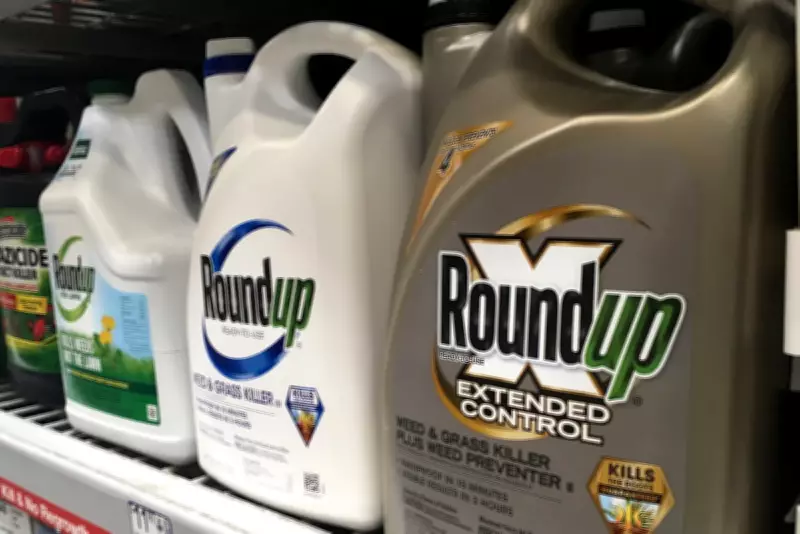
President Donald Trump has signed an executive order aimed at protecting domestic production of glyphosate-based herbicides, including the widely used weedkiller Roundup. The order, dated February 18, cites national security concerns and invokes authority under the Defense Production Act to ensure continued manufacturing of these controversial agricultural chemicals.
National Security Justification for Herbicide Protection
The White House order states that "robust domestic elemental phosphorus mining and United States-based production of glyphosate-based herbicides is central to American economic and national security." The document specifically mentions that "the threat of reduced or ceased production" of phosphorus and glyphosate herbicides "gravely endangers national security and defense, which includes food-supply security."
The order instructs US Department of Agriculture Secretary Brooke Rollins to issue necessary regulations and orders to implement the directive. Notably, the executive order contains a clause that confers immunity provided under section 707 of the Defense Production Act, stating that "domestic producers of elemental phosphorus and glyphosate-based herbicides are required to comply with this order."

Health Concerns and Legal Battles
The presidential action comes as glyphosate-based herbicides face significant scrutiny over potential health risks. Multiple independent research studies and cancer experts at the World Health Organization have linked these chemicals to various cancers and other health problems. Neither the executive order nor the accompanying White House fact sheet acknowledges these health concerns.
Bayer, which acquired Monsanto in 2018 and inherited tens of thousands of lawsuits alleging that glyphosate herbicides cause cancer, has already paid billions in settlements and jury verdicts. The company recently proposed a $7.25 billion class action settlement to address future litigation. Bayer maintains that its glyphosate products do not cause cancer but has warned it may stop making them for the US agricultural market if litigation pressure continues.
Backlash from Health and Environmental Advocates
Health and environmental advocates have strongly criticized the executive order. Vani Hari, a food activist and grassroots leader of the Make America Healthy Again (Maha) coalition, stated: "This executive order reads like it was drafted in a chemical company boardroom. Calling it 'national defense' while expanding protections for toxic products is a dangerous misdirection. Real national security is protecting American families, farmers, and children."
Kelly Ryerson, another prominent figure in the Maha movement, called the move "an insult to those who have largely supported the administration because of promises that MAHA issues would be taken seriously." She added: "The President is making a mockery of the very voters who put his administration into office. Expanding the production of glyphosate, a pesticide derided by the Maha movement, is a commitment to perpetuating the toxic, chemical food system."
Political and Legal Implications
The order has created tension within the administration, particularly with Robert F. Kennedy Jr., who serves as Secretary of Health and Human Services and heads a Maha commission established by the White House. Kennedy has a long history of criticizing glyphosate and its health impacts. In response to questions about the executive order, Kennedy issued a statement saying it "puts America first where it matters most – our defense readiness and our food supply."
Lori Ann Burd, environmental health program director at the Center for Biological Diversity, described the order as "a sickening love letter from Trump to the largest pesticide companies in the world. It's more proof that Trump doesn't care at all about Americans' health."
Bayer's Response and Legal Strategy
Bayer did not disclose its involvement in the executive order's development but issued a statement supporting the action: "President Trump's Executive Order reinforces the critical need for US farmers to have access to essential, domestically produced crop protection tools such as glyphosate. We will comply with this order to produce glyphosate and elemental phosphorus."

The company continues to pursue multiple legal strategies to reduce litigation pressure, including lobbying for protective language in federal legislation, seeking state laws that limit lawsuits, and asking the US Supreme Court to rule on federal preemption of failure-to-warn lawsuits. The Supreme Court has scheduled a hearing on this issue for April 27.