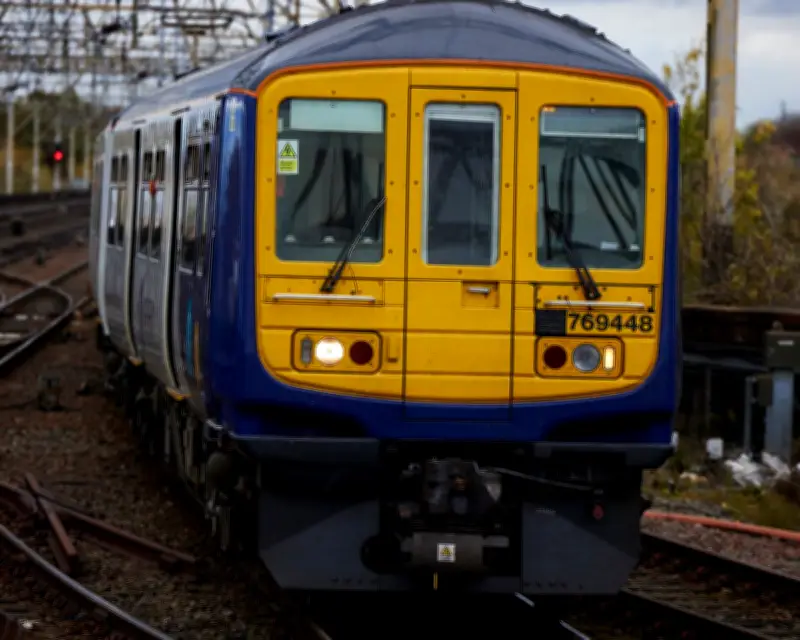
Train drivers in Great Britain are considering strike action over a lack of toilet facilities, with unions saying basic needs remain unaddressed a year after the rail regulator ordered operators to provide better facilities and breaks.
Aslef puts industry on notice
Aslef, the train drivers' union, said it was “putting the industry on notice” after companies failed to deliver adequate toilets and reduce maximum driving times without a toilet break. A 2024 survey by Aslef found widespread issues, with many drivers unable to reach working toilets and resorting to urinating in bottles or defecating in cabs.
The report described this as a significant health and safety problem, with drivers dehydrating themselves to avoid needing a break, putting passengers and staff at risk.

Charter signed but progress slow
The union believed it had secured a breakthrough last summer when operators signed a welfare charter set by the rail safety board. Richard Hines, HM chief inspector of railways at the Office of Rail and Road (ORR), wrote to operators on 29 July 2025, stating that “reliable welfare facilities [are] a basic requirement in any civilised society” and that the current situation was “unacceptable”.
Dave Calfe, general secretary of Aslef, said: “We need action, not broken promises, to improve toilet facilities for drivers and to reduce the time drivers are expected to go without being able to take a toilet break. The health and wellbeing of our members is not a price we are prepared to pay for the inaction of the industry.”
Impact on female drivers and recruitment
The union highlighted that female drivers were particularly affected, and the situation deterred the railway's efforts to recruit more women. The welfare charter required “safe, clean, accessible and dignified” toilets across the railway, with a maximum of four hours in the driving seat without a toilet break, to be implemented within 12 months.
However, the ORR's annual report this month noted that “progress has been uneven and industry momentum has slowed. Key barriers remain, particularly around coordination, shared access to facilities, and consistent delivery.”
Health risks and broader campaign
Conditions such as deep vein thrombosis, bladder issues, prostate cancer, and colorectal cancer are linked to lack of toilet breaks. Calfe added: “A year after train companies promised to do the right thing, drivers are still paying with their health for industry inaction. The industry and the government cannot continue failing the workforce on the most basic level, and we need action now.”
Strike action on railways has been limited since pay deals in 2024 ended nationwide action, but ballots are under way for drivers at LNER and Avanti, while RMT members at East Midlands Railway will strike on 1 August over issues with new trains.
Bus and lorry drivers affected too
The Unite union has also campaigned for better toilets for bus and lorry drivers. Wayne King, Unite's national officer for passenger transport, said: “There are still nowhere enough toilets available for bus drivers. It’s the employer’s responsibility and they’re failing miserably. Drivers are using bottles as toilets, women are using she-pees with bottles. This has a dramatic impact on women during menstruation and menopause and members with underlying health conditions.”
Adrian Jones, Unite's national officer for road transport, added: “Despite repeated promises by government and employers, there has been no real improvement in availability of toilets for lorry drivers. We need better access at delivery collection points, better and more roadside facilities and value for money at motorway service areas.”
A Department for Transport spokesperson said: “Train operators are legally required to provide suitable toilet facilities for their staff, and we expect them to meet these obligations. We strongly encourage industry to work together to ensure access to these facilities, and these kinds of welfare issues will be considered as we move towards Great British Railways.”