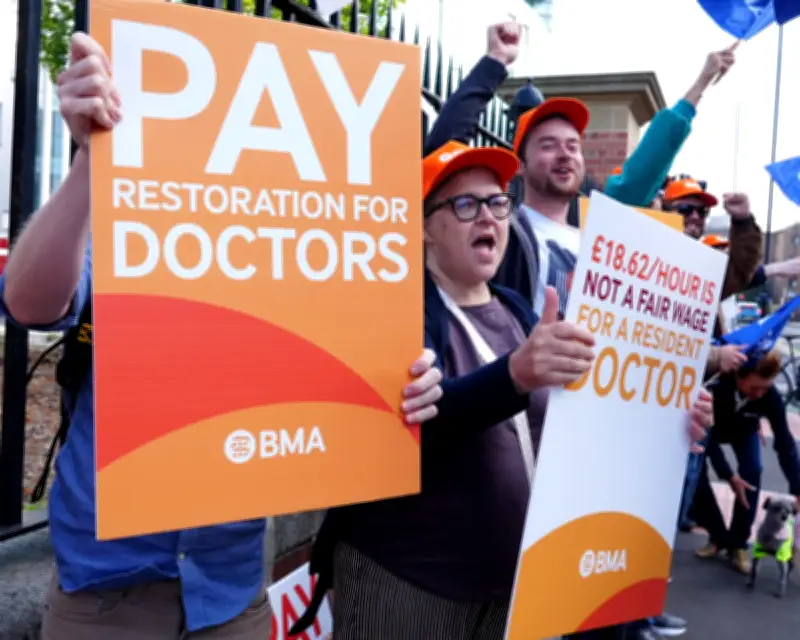
Resident doctors in England have voted to accept a new government deal on pay and jobs, bringing an end to strike action that has cost the NHS £1bn since last summer. The British Medical Association (BMA) called off a planned four-day walkout earlier this month to put the offer to members.
Key terms of the agreement
The package includes standard 2016 resident doctor contract terms for all locally employed medics and an average 6.6% pay uplift to be fully implemented by April 2027. There will also be 4,500 extra specialty training places over three years. The Department of Health and Social Care said the deal means resident doctor pay will be 35.2% higher on average compared with four years ago.
End of strike action
Dr Jack Fletcher, chair of the BMA’s resident doctors committee (RDC), said: “Resident doctors have spoken. They have decided that the current offer is sufficient to continue on the road to pay restoration, and sufficient to address the absurd lack of jobs in the NHS. The strikes will now end.” The first strike by resident doctors began on 13 March 2023. Then health secretary Wes Streeting issued a 22% pay rise in July 2024 in an effort to end the dispute, but the RDC sought further rises to compensate for salary erosion since 2008-09.

Impact on patients and NHS
In the last 12 months, resident medics walked out for 21 days, costing the NHS £50m a day. Thousands of patients faced cancelled appointments and operations. The BMA had warned that if the deal was rejected, strikes would escalate. However, 53% of eligible BMA members voted in favour, with a 57% turnout (32,932 doctors voting).
Health secretary James Murray said: “This is very good news for resident doctors, patients and the NHS as a whole, allowing us to draw a line under the disruption of previous months and focus on getting on with the job of rebuilding our health service.” Dean Royles, interim chief executive of NHS Employers, added: “After such a long-running dispute that has caused so much upset and disruption to patient care, all parties will be pleased that a resolution now seems to have been found.”