Oliver Mason, Katie Williams, and Molly Berry respond to Ajit Niranjan's article on whether smaller countries' climate efforts matter, arguing that per capita emissions and leadership are crucial for global climate justice.
Per capita emissions expose inequity in climate arguments
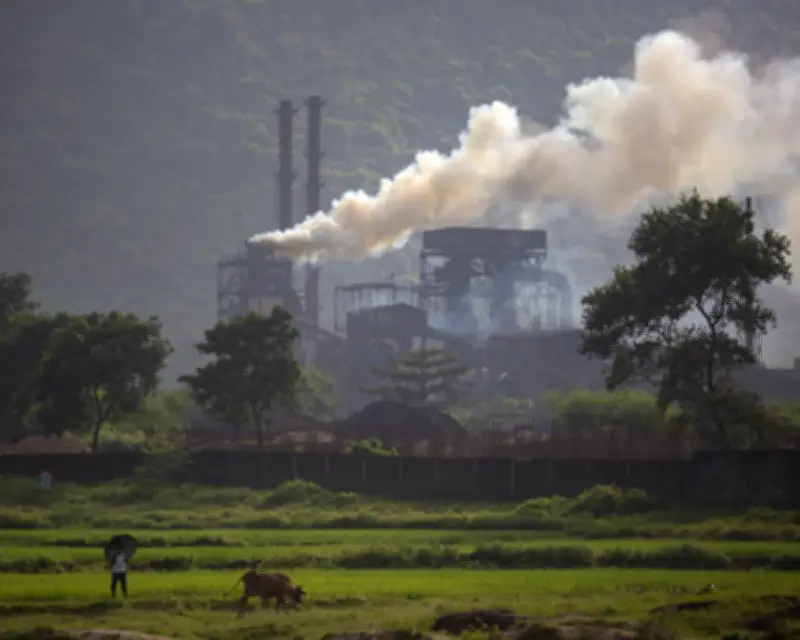
Oliver Mason from London highlights a critical counter-argument missing from Niranjan's piece: carbon emissions per capita. He notes that the UK emits 4.5 tonnes of carbon per person per year, compared to China's 8.7 tonnes, the United States' 14.2 tonnes, India's 2.2 tonnes, and Vietnam's 3.7 tonnes. Mason argues that accepting the notion that small nations need not limit emissions because they contribute only a small proportion of global totals would let wealthy, historically high-emitting countries off the hook while burdening larger, poorer, recently industrialising nations like India and China with costly measures. He calls this unjust and warns it would give developing nations reason to question why they should limit emissions when richer nations exempt themselves. Climate change, he stresses, requires every nation to play its part.
UK climate leadership essential for global trust
Katie Williams from Sheffield emphasises the importance of leadership, noting the UK's Climate Change Act 2008 was the first of its kind, setting emissions-reduction targets to 2050 and achieving significant domestic progress, especially in electricity generation. She argues that the UK cannot ask developing countries with historically lower emissions to reduce theirs without practicing what it preaches. Backtracking on climate action undermines trust at UN Cop summits and international forums, hindering global progress. Williams also points out that domestic emissions figures do not account for emissions from imported goods or domestic flights. The UK's progress has coincided with declining manufacturing and rising imports, while consumerism dominates culture. The UK has disproportionately high aviation emissions, despite about half the population not flying in a given year, and buys more cheap clothes per person than anywhere else in Europe. She calls for a major cultural shift, urging people to stop buying unnecessary items and make more thoughtful choices in consumption and travel.

Climate breakdown as a national security issue
Molly Berry from Tring, Hertfordshire, stresses the government's duty of care to its people, noting that recent heatwaves have shown the UK is woefully unprepared for what is coming. She suggests replacing the term 'net zero' with 'secure future plan' and references a joint intelligence committee report that identifies climate breakdown as a national security problem. Berry insists that the UK must stop pretending climate change is someone else's problem and take it seriously, warning that food rationing could become a reality in the near future.