Bereaved Parents Demand Social Media Ban for Under-16s Ahead of Crucial Vote
Grieving parents who have lost children to incidents linked with social media platforms are making an urgent plea to Prime Minister Keir Starmer, urging him to "stop dragging his heels" and support a ban on social media for children under 16. This call comes ahead of a critical parliamentary vote scheduled for tonight, which could represent the final opportunity to pass such legislation before the current parliamentary session concludes in April.
Families Deliver Heartfelt Plea to Downing Street
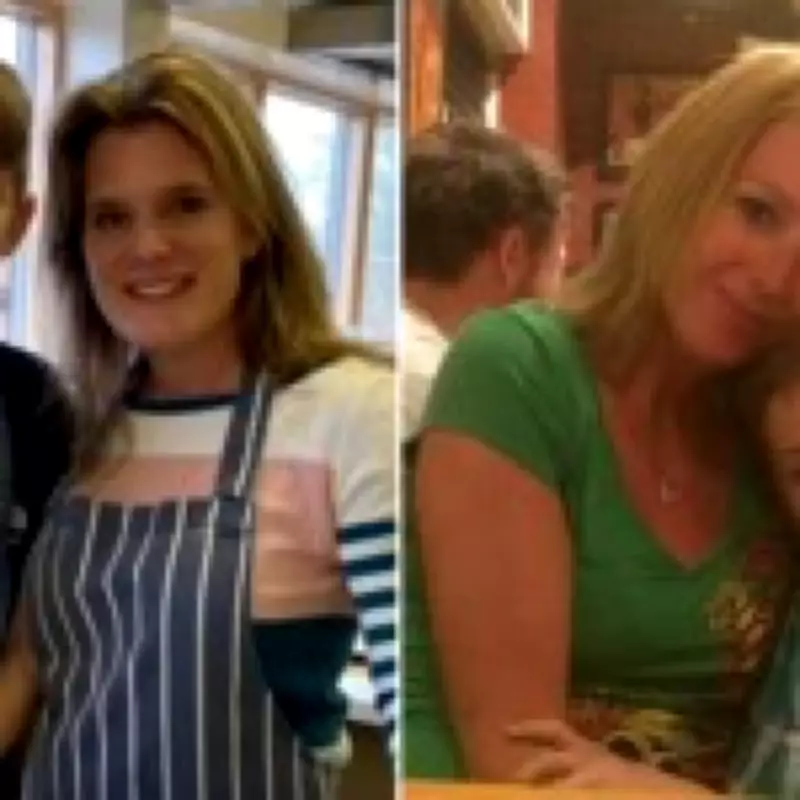
This morning, a coalition of bereaved parents, alongside cross-party Members of Parliament and Peers, hand-delivered a powerful letter to 10 Downing Street. The document, described as an "urgent mandate," directly appeals to Sir Keir Starmer and Technology Secretary Liz Kendall to "hear our heartfelt call." Among the signatories are nearly thirty parents, including Lisa Kenevan and Ellen Roome, who both lost their sons four years ago, and Esther Ghey, mother of murdered teenager Brianna Ghey.
Ellen Roome, whose 14-year-old son Jools Sweeney died in April 2022, believes his death may have resulted from a dangerous online challenge. "How many children are going to be affected by either online harms or die whilst we have this consultation?" she asked. "More children could be harmed while we wait. We just seem to be lagging behind. Social media companies don't have a conscience. They are all being told to make their platforms less addictive but they are choosing not to. We need to say enough is enough."

Government Faces Mounting Pressure
The government has consistently opposed previous attempts to outlaw social media for children, opting instead for a consultation period to examine the proposals. During this time, hundreds of teenagers are participating in trials involving social media bans, time limits, and curfews. However, bereaved parents argue that the need for immediate action is "overwhelmingly obvious."
Lisa Kenevan, whose son Isaac was found dead in March 2022 after what she believes was a failed online stunt, stated: "We have to act now on a social media ban. We know the devastation it can cause. We don't need to collate more information." Her message to the Prime Minister is clear: "Please sit up and listen to the people. Look at the feeling across the country. We are at a crisis point."
Cross-Party Support and Legislative Action
More than 30 MPs and members of the House of Lords from across the political spectrum are demanding that the government change its course. The issue returns to the House of Commons tonight after being forced back by the House of Lords, with bereaved parents expected to watch from the gallery.
Lord John Nash, who is leading two amendments to the legislation, criticized the government's approach: "The government's plan is merely to issue a progress report in six months time – how is this possibly effective action in the face of the evidence about the horrific harms that social media inflicts and the pace of technological change? It risks leaving us laps behind in protecting our children. The government should act now to raise the age for harmful social media to 16. It would be very popular."
Opposition from Child Safety Campaigners
Despite the strong push for a ban, some prominent child safety organizations oppose the measure. The NSPCC and the Molly Rose Foundation, a suicide prevention charity established in memory of 14-year-old Molly Russell, argue that a blanket ban is the "wrong solution" that could create a false sense of security and drive children to other, potentially unregulated, online spaces.
In a joint statement earlier this year, the charities noted: "Though well-intentioned, blanket bans on social media would fail to deliver the improvement in children's safety and wellbeing that they so urgently need."

International Context and Legal Precedents
The letter to Downing Street highlights that "the world has reached a turning point," citing recent groundbreaking court cases that have exposed how unregulated digital platforms exploit children through addictive business models. It warns that while other nations take decisive legislative action, the UK remains stuck in a cycle of consultation, risking being outmaneuvered by Big Tech's rapid evolution.
This concern is underscored by a late March ruling in a Los Angeles court, where tech giants were found liable for a woman's addiction to Instagram and YouTube, which began in her childhood. The letter also calls for banning addictive features in social media and enforcing phone-free schools for all children.
Government Response and Future Plans
A spokesperson for the Department for Science, Innovation and Technology (DSIT) reiterated the government's commitment: "We remain completely committed to giving children here in the UK the enriching childhoods they deserve. That's why we launched a consultation on bold measures to protect children online looking at everything from banning social media for under-16s to tackling addictive design features. When it comes to children's safety, nothing is off the table and we will set out our plans in the summer."
As the nation watches tonight's vote, the poignant question from grieving parents echoes: How many more children must be harmed before decisive action is taken?