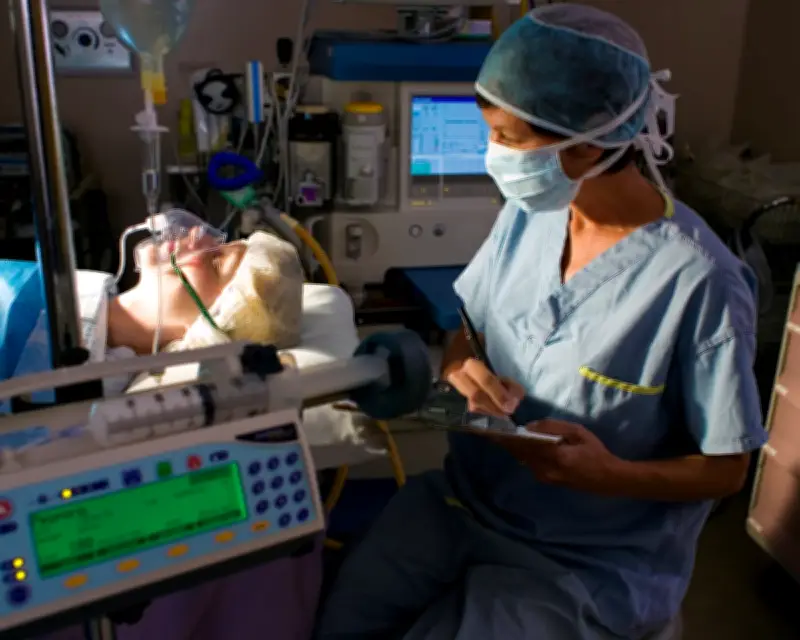
The NHS is unable to perform 1.5 million operations each year due to a severe shortage of anaesthetists, according to a comprehensive report by the Royal College of Anaesthetists. The shortfall of 2,256 specialists means approximately 4,000 procedures are cancelled daily, many for patients in urgent need of surgery.
Record shortfall derails backlog efforts
The 63-page report, seen by the Guardian, reveals that the UK has 16% fewer anaesthetists than required. The largest gap is among consultants, the most senior grade, with a shortfall of about 1,640 posts—73% of the total. Despite modest increases in recent years, the number of anaesthetists has not kept pace with demand, exacerbating the NHS care backlog that affects over 8 million patients across England, Scotland, Wales, and Northern Ireland.
Impact on patients and NHS productivity
The shortage is causing painful delays for thousands of patients. According to the report, 31% of patients reported a decline in their mental health while waiting for surgery, and 36% reported a decline in physical health. Long waiting times also lead to increased use of healthcare services, a higher likelihood of seeking financial compensation, and a greater risk that patients’ health deteriorates to the point where they can no longer work.

Anaesthetists are essential for most operations, making them key to addressing the waiting list crisis and boosting NHS productivity. The shortage is also driving up costs, as hospitals divert funding to pay for agency locums and shift staff to plug gaps.
Causes: training places and retention
The single biggest cause of the shortage is a lack of training places. Last year, there were 6,770 applications for just 539 core anaesthetic training positions. Additionally, anaesthetists quitting due to stress and workload is a considerable problem. Among clinical leaders interviewed for the report, 88% said surgeries were postponed due to a lack of anaesthetists, with 43% reporting this happening daily or weekly.
Calls for urgent action
Dr Claire Shannon, president of the Royal College of Anaesthetists, said: “Patients are still waiting too long for surgery, and the shortage of anaesthetists is a major factor. Despite modest increases, the gap between the anaesthetists we have and those we need continues to widen. This shortfall is delaying care for patients before, during and after surgery, placing growing pressure on our members and limiting the government’s long-term ambitions for the NHS.”
She urged action: “The forthcoming 10-year workforce plan is a critical opportunity for the government to expand the number of training places for doctors to train as anaesthetists, retain our highly skilled workforce and deliver better care for patients.”
Jenny Westaway, chair of PatientsVoices@RcoA, highlighted the patient impact: “The shortage of anaesthetists is causing real pain and distress to patients. We all know the toll it takes both physically and mentally to be waiting for a much-needed operation through our own experience or those of our loved ones.”
Government response
The Department of Health and Social Care stated that the NHS has “record numbers of doctors,” including over 14,800 full-time equivalent anaesthetists, 300 more than last year. It said it is “creating 4,500 additional training placements” as part of a deal with resident doctors, targeting areas where they are most needed. However, when asked how many of those placements would be for anaesthetists, a spokesperson could not say, adding that details on which speciality areas would gain the extra posts would be set out “in due course.”