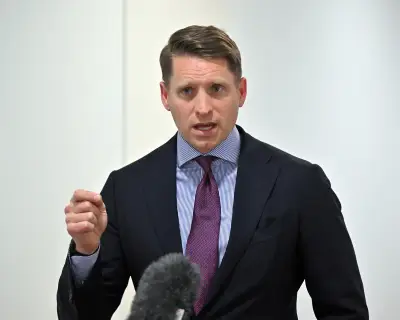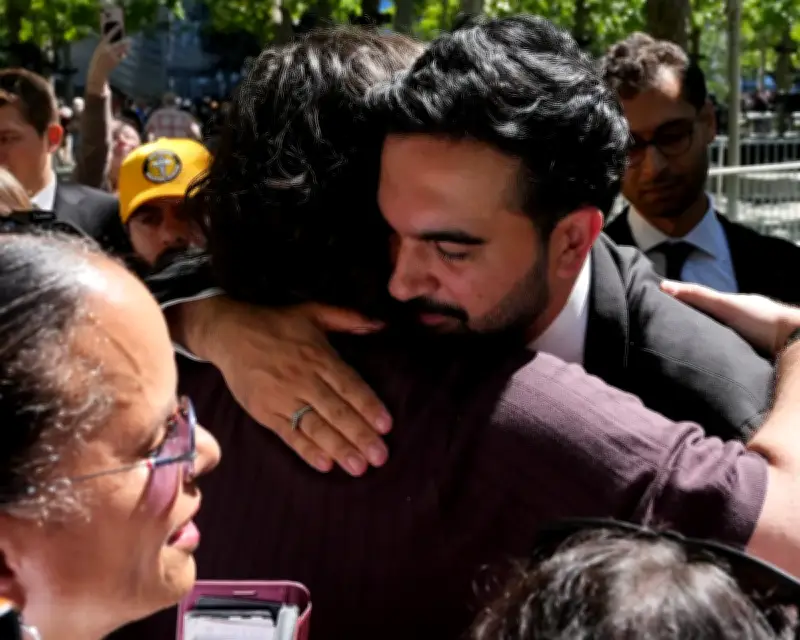
Zohran Mamdani, New York City's first Muslim mayor, attended the 9/11 memorial ceremony on 11 September 2026, despite calls from Rudy Giuliani, the city's mayor during the 2001 attacks, for him to stay away. The event marked the 25th anniversary of the attacks, and Mamdani shook Giuliani's hand during the commemoration.
Two New Yorks: Cultural Shift and Persistent Prejudice
Recent journalism highlights a city caught between two eras. New York Magazine described a “cultural shift” led by a generation of New Yorkers with roots in “SWANA” – south-west Asia and north Africa, a region stretching from Palestine to Iran to Sudan. This cohort, the magazine noted, is accumulating “clout” beyond bodegas and halal carts, now visible in entertainment, dining, and politics.
Vanity Fair reported that calls for Mamdani to skip the memorial were partly based on “inchoate, emotional” impulses, viewing the mayor as a stand-in for the 19 hijackers who attacked the US on 9/11. Mamdani, who was nine years old at the time of the attacks, has become a symbol of both progress and persistent division.

Islamophobia Deepens: Pew Data Shows Doubling
Pew Research found that a quarter-century after 9/11, public attitudes toward Islam have become “more negative” and “more partisan” than in the immediate aftermath. In March 2002, 25% of US adults believed Islam is more likely than other religions to encourage violence; today, that figure has doubled to 51%.
This climate has led to attacks on Muslim politicians. Senator Tommy Tuberville called Abdul El-Sayed, the Democratic Senate nominee for Michigan, a “terrorist.” Congresswoman Nancy Mace said every Muslim holding public office is a “threat to both national security and our republic,” and Donald Trump claimed “Jihadists” were “being elected all over the place.”
Political Cosmopolitanism vs. American Exceptionalism
Mamdani and El-Sayed, according to the article, recuse themselves from rote fealty to American glory, daring to point out US support for Israel and the failures of the “war on terror.” This generation, shaped by immigrant backgrounds, has cultivated a less parochial view of the US. Immigration from countries against which the US has waged war yields not cowed assimilation but political cosmopolitanism, a challenge to American exceptionalism.
Comedian Ramy Youssef captured this dynamic in a standup segment: “In a way, 9/11 made me more Muslim. Cos I was told it was my fault.” This experience, the article notes, forced many to identify by religious background rather than race or origin, turning casual identity into sharp political consciousness.
Islamophobia as a Political Tool
Rozina Ali, author of Seasons of Fury, a study of Islamophobia in the US, said contemporary Islamophobia cannot be separated from broader failures of American politics. The “war on terror” became a foreign quagmire, and a financial crisis cost millions their homes and savings. Ali said the right uses Islamophobia because “a lot of these things can be explained by so called invasions from foreigners or a foreign culture like Islam,” adding that the right “doesn’t have an effective vision for this country that can actually solve a lot of the ills.”
Despite this, anti-Muslim propaganda has not prevented coalition-building. Muslim candidates and cultural figures are mobilising voters by addressing material concerns, unpopular foreign policy, and the human toll of backlash. At the memorial, Mamdani shook Giuliani's hand – one man representing the past, the other the future, according to the article.