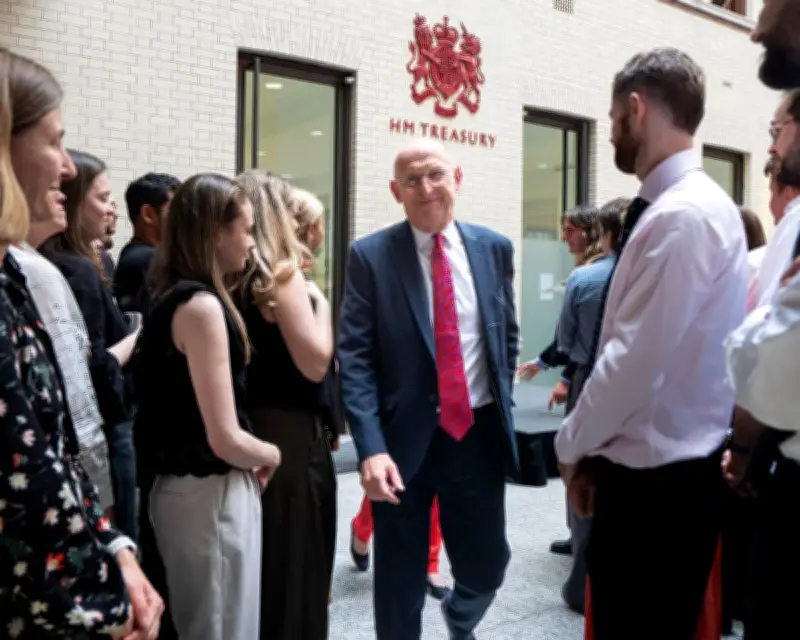
Fifty years after Denis Healey ran the Treasury, his successor John Healey faces a different set of challenges in July 2026. While inflation is lower and markets have reacted calmly to Andy Burnham's premiership, the new chancellor must navigate fiscal orthodoxy while pursuing an ambitious agenda to reverse decades of Thatcherism and reindustrialise Britain.
Initial moves and market reaction
The new administration has struck an optimistic tone, contrasting with the gloom of Keir Starmer's arrival. Symbolic measures include cutting VAT on electricity bills and capping bus fares. Burnham has avoided repeating Starmer's controversial means-testing of winter fuel payments, signalling a fresh start. The purge of Starmerites from the cabinet reinforces the message that the real Labour government begins now.
Burnham clearly sees Reform UK as his biggest threat, reflected in a cabinet with a stronger northern England flavour and a focus on the cost of living and rebuilding manufacturing. Keeping Shabana Mahmood as home secretary signals a tough stance on migration, forcing businesses to hire and train UK-born workers instead of relying on cheap labour from overseas.

Treasury power and fiscal rules
Despite Burnham's desire to create an economic power base at No 10, the Treasury's influence remains dominant. Healey stated that meeting existing fiscal rules is his top priority. He must now fund a defence investment plan that the Treasury denied him as defence secretary, precipitating his resignation. With the Strait of Hormuz still closed and oil prices rising, stronger growth may not materialise to pay for higher spending.
Borrowing more or raising taxes are the remaining options. Some extra borrowing may be possible within fiscal rules, but Burnham and Healey are wary of upsetting bond markets, which already charge 5% interest on government debt. Healey has floated war bonds for defence spending, but that is borrowing by another name. Taxes will inevitably rise in the autumn budget, with questions over by how much, who pays, and what damage will be caused.
Long-term plans vs short-term realities
Burnham plans to announce a 10-year plan for change, but with a general election due within three years, there is little room for error if things go wrong, as they did for Denis Healey in 1976. The legacy of Britain's shift to the right in the 1970s persists: the idea that government spending must be like a household budget, with every pledge met by the question 'how are you going to pay for it?'
According to Larry Elliott, if Burnham is serious about rolling back neoliberalism, he must challenge this 'entirely wrong-headed idea.' The chancellor may get lucky with stronger growth, but it would be inadvisable to bank on it. Something has to give.