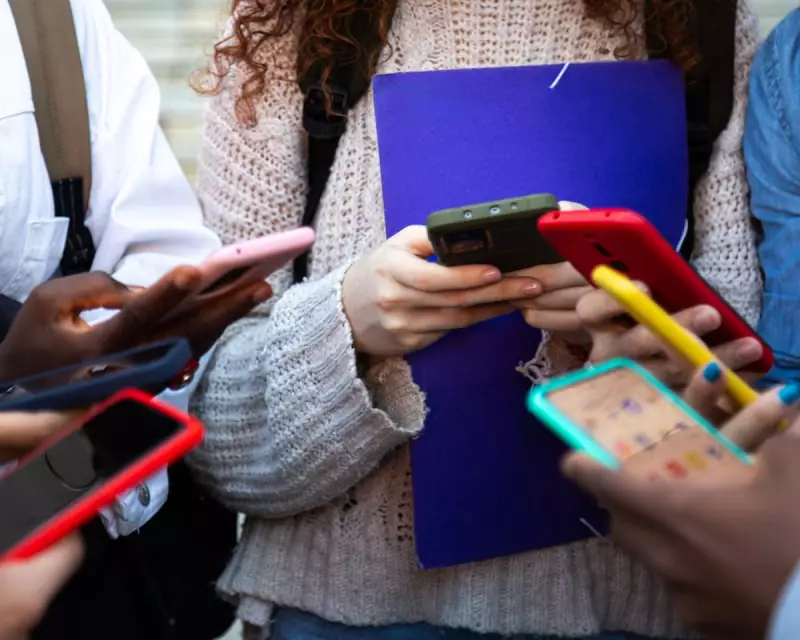
The UK government is facing intensifying calls to impose stricter limits on social media access for children, prompting a formal consultation on whether to ban platforms for all under-16s. The move, announced by Technology Secretary Liz Kendall, comes as peers prepare to vote on a legislative amendment that would enforce such a ban within a year.
Mounting Pressure and a Mother's Plea
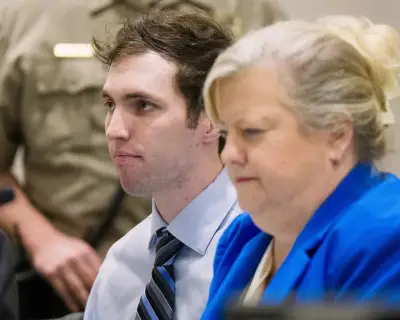
Esther Ghey, the mother of murdered teenager Brianna Ghey, has become a prominent voice in the campaign, writing to Prime Minister Keir Starmer to detail how harmful online content exacerbated her daughter's mental health struggles. Brianna, who was killed in a brutal attack in Warrington in 2023, had developed an eating disorder and engaged in self-harm, which her mother links directly to addictive and damaging material she accessed on platforms like TikTok.
Ms Ghey described constant fear over who her daughter was speaking to online and Brianna's obsession with becoming "TikTok famous". She is one of nine sets of bereaved parents urging the government to support the amendment proposed by Conservative peer Lord Nash, which would set the social media age limit at 16.

Government's Consultation and School Phone Crackdown
The government's consultation, launched on Monday, will explore several options beyond a simple age limit. It will investigate potential enforcement mechanisms, ways to stop tech firms harvesting data from young users, and limits on addictive design features like "infinite scrolling".
In a parallel move, the government has stated it expects all schools to be mobile phone-free environments by default. Ofsted will now include reports on phone use as part of its regular school inspections, formalising the push to curb device use in educational settings.
Political Crossroads and Australian Precedent
The announcement is seen partly as an attempt to address pressure ahead of a key vote in the House of Lords on Wednesday. Lord Nash has criticised the consultation as insufficient, vowing to proceed with his amendment. He argues that delay means failing more children, a sentiment echoed by significant cross-party support, including from 61 Labour MPs who have written to the Prime Minister.
While Prime Minister Starmer has expressed openness to a ban, allies indicate he wishes to assess evidence from Australia, which enacted a ban in December. Starmer confirmed he has discussed the Australian approach with its Prime Minister, stating "no options are off the table" in the quest to better protect children online.
A Call for Unambiguous Action
The coalition of bereaved parents, including Esther Ghey, argues that raising the age limit sends a clear message that social media is inappropriate for children under 16. They highlight the catastrophic harm being done to a generation, a view supported by teachers, medical professionals, and police.
As the consultation begins and the Lords vote looms, the government finds itself at a pivotal moment, balancing calls for swift, decisive action with a desire for evidence-based policy to navigate the complex landscape of children's digital safety.