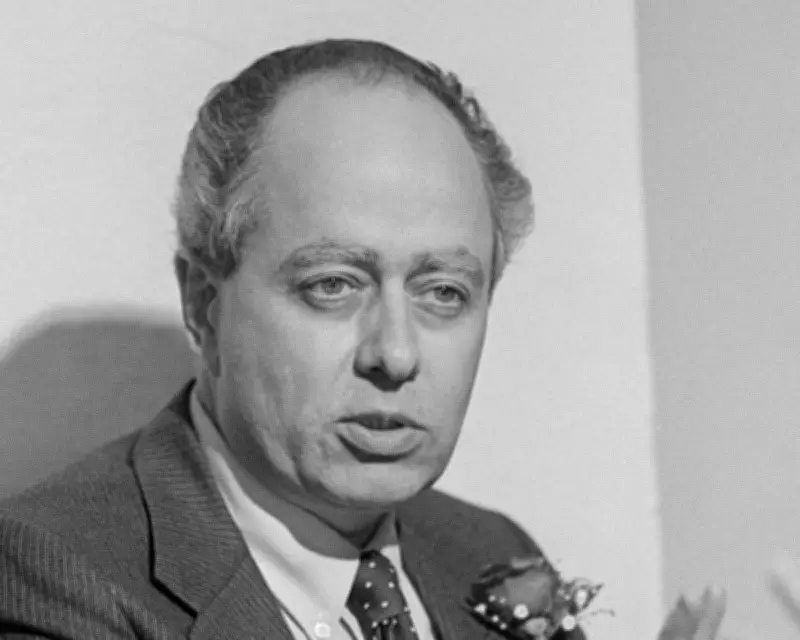
G. Robert Blakey, the Notre Dame law professor who wrote the Racketeer Influenced and Corrupt Organizations Act, known as RICO, a potent legal weapon against the Mafia and other criminal enterprises, has died at 90. His death was announced by the University of Notre Dame Law School, where he taught for decades.
Early Life and Career
Born in 1936 in New York City, Blakey earned his law degree from Cornell University. He began his career as a prosecutor in the organized crime section of the US Department of Justice, where he witnessed firsthand the difficulties of prosecuting mob bosses who insulated themselves from direct criminal acts.
The RICO Act
Blakey drafted the RICO Act in 1970 as part of the Organized Crime Control Act. The law made it a crime to participate in a pattern of racketeering activity through an enterprise, allowing prosecutors to target the entire criminal organization rather than just individual crimes. This enabled the conviction of high-level Mafia figures like John Gotti and the dismantling of the Gambino crime family.

Impact and Legacy
RICO has been used not only against organized crime but also in cases involving drug trafficking, terrorism, public corruption, and even white-collar crime. Blakey later became a vocal critic of the law's expansion, arguing that it was sometimes misapplied. He continued to teach and write about criminal law until his retirement.
Blakey is survived by his wife, three children, and six grandchildren. A memorial service will be held at a later date.