Channel 4's Dirty Business: A Stark Exposé of Water Industry Failures
Channel 4's gripping drama Dirty Business serves as a powerful clarion call to nationalise the water industry in England and Wales. Written and directed by Joe Bullman, the film delves into what he describes as the biggest corporate scandal in British history, highlighting decades of neglect and pollution by privatised water companies.
The Tragic Case of Heather Preen
The drama opens with a heart-wrenching scene where Julie Maughan mourns her eight-year-old daughter Heather, who died in 1999 after contracting E coli O157 from raw sewage while playing on Dawlish Warren beach in Devon. Heather's illness led to severe diarrhoea, blood loss, kidney failure, and brain damage, culminating in her parents' agonising decision to switch off her life-support machine. Despite a coroner's call for action at her inquest, the cause was never definitively identified, and a verdict of misadventure was returned.
This tragedy occurred a decade after Margaret Thatcher privatised the water industry, promising improved investment, efficiency, lower bills, and better service. Yet, as the Guardian has reported, today's water industry is owned by a mix of private hedge funds, sovereign wealth funds, and pension funds, with sewage pollution at record levels, companies burdened by £60bn in debt partly from paying £78bn in shareholder dividends, and infrastructure left to decay.

Historical Context and Activist Efforts
In the late 1990s, groups like Surfers Against Sewage fought tirelessly against "pump and dump" practices, where water companies discharged hundreds of millions of gallons of raw sewage daily into Britain's seas. Their combative tactics, including wearing gas masks and sloganed T-shirts, slowly led to improvements with the EU-derived urban wastewater directive, which mandated full sewage treatment along coastlines.
However, rivers were excluded from this cleanup, allowing raw sewage to continue flowing into waterways for decades. When the Guardian began exposing river pollution, the Environment Agency dismissively remarked, "Well, no one swims in rivers," ignoring the devastating impact on wildlife and habitats.
Campaigners at the Forefront
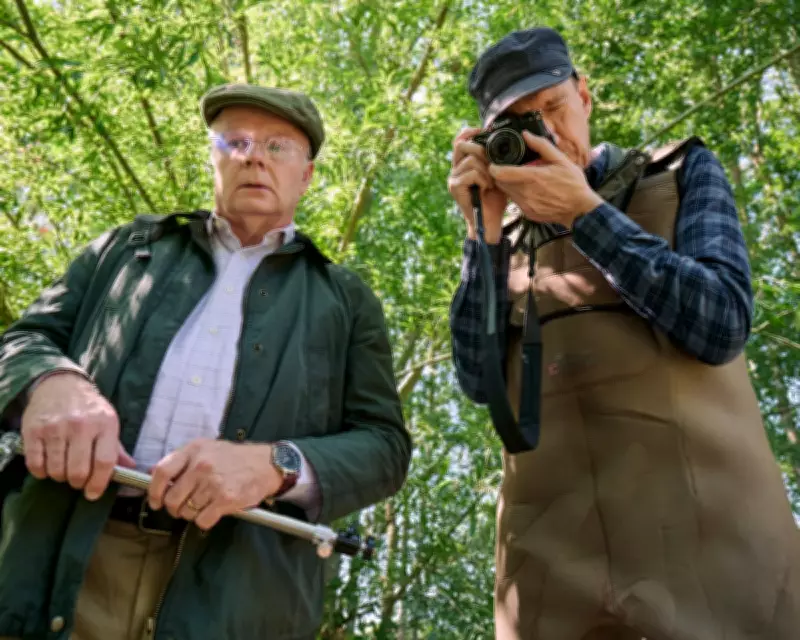
The narrative of Dirty Business is carried by two dedicated campaigners: Peter Hammond, a retired professor of computational biology, and Ash Smith, a retired police detective. Alarmed by declining fish populations in the Windrush River in Witney, Oxfordshire, they embarked on detective work that uncovered Thames Water's long-term failure to invest in treatment plants, pipes, and pumping stations.
Their evidence revealed illegal sewage dumping at levels at least ten times higher than regulators believed, leading them to Westminster and the high court to advocate for public input in Thames Water's future. Today, they continue to fight, pushing for the company to be placed into special administration—a form of temporary public control—as it teeters on financial collapse.
Government Inaction and Corporate Accountability
Despite these efforts, the Labour government has resisted taking Thames Water into public ownership, instead relying on private equity and foreign investors in a draft white paper. In a controversial move, ministers are considering waiving future fines for pollution to attract investment, even as Thames Water was fined £104m last year for sewage dumping.
This approach echoes past failures, with campaigners like Chris Hinds, founder of Surfers Against Sewage, arguing, "This is our water industry, we pay the bills. The drive for profit from our water has to stop. It needs to come back into public ownership." For Heather's mother and countless activists, the madness of repeating the same mistakes must end to protect England's and Wales' waterways from further degradation.