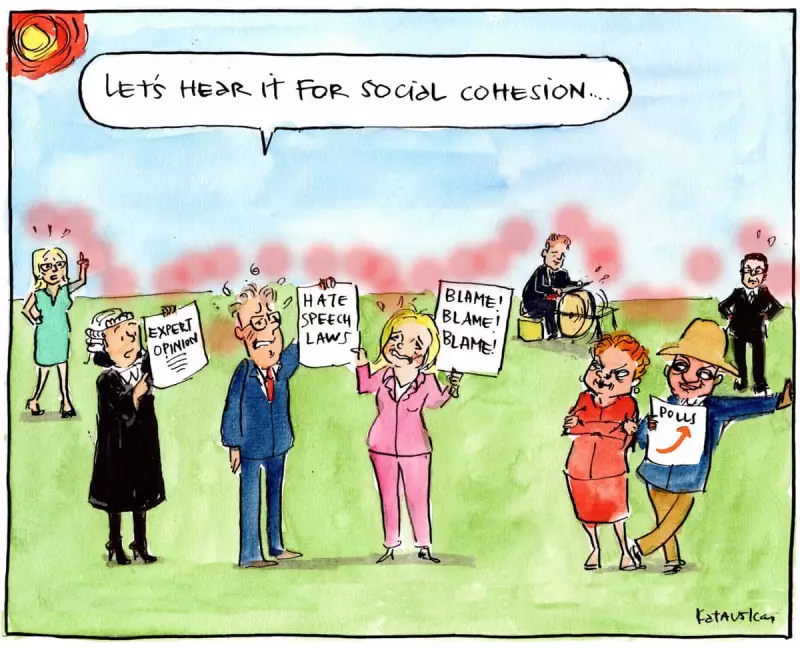
In a significant move for social policy, the UK government is proposing a new set of laws aimed at tackling hate speech. The legislation, currently under intense parliamentary scrutiny, seeks to address the rising tide of online abuse and discriminatory language that has fractured communities. The central question posed by policymakers and civil society alike is whether these legal measures can genuinely help to bring people together, or if they risk stifling free expression and creating new divisions.
The Proposed Legal Framework and Its Intentions
The draft legislation outlines stricter penalties for offences motivated by racial, religious, sexual orientation, or disability-based hatred, both online and offline. A key component is the imposition of greater accountability on social media platforms, requiring them to proactively identify and remove illegal content or face substantial fines. The government's stated goal is to create a safer, more inclusive public discourse where individuals are protected from targeted harassment and vitriol.
Proponents argue that the current legal framework is outdated, struggling to keep pace with the speed and anonymity of digital communication. They contend that clearer laws and stronger enforcement are necessary to set a baseline for respectful public debate. By drawing a firm line against hateful rhetoric, the hope is to foster an environment where diverse groups feel secure enough to participate fully in society, potentially healing long-standing social rifts.

Criticisms and Concerns Over Free Speech
However, the proposed laws have sparked considerable controversy. Free speech advocates and some legal experts warn of unintended consequences. A primary concern is the potential for the laws to be applied too broadly, criminalising offensive but not necessarily threatening speech, or chilling legitimate criticism and debate. Critics fear that rather than uniting communities, poorly defined legislation could lead to a climate of suspicion and self-censorship.
There is also scepticism about whether laws alone can change deeply ingrained attitudes. Opponents suggest that social cohesion is better achieved through education, community initiatives, and dialogue, rather than through punitive legal measures. They argue that top-down legislation may drive harmful discourse further underground or into private channels, making it harder to challenge and counter effectively.
The Road Ahead: Legislation vs. Social Change
The debate highlights a fundamental tension in modern democracies: balancing the protection of vulnerable groups with the preservation of fundamental freedoms. As the bill moves through Parliament, amendments are likely to be fiercely contested. The final shape of the law will depend on finding a delicate equilibrium that commands broad public support.
Ultimately, the success of any new hate speech laws in promoting unity will hinge on their implementation and public perception. If seen as fair, proportionate, and focused on genuine threats to safety, they may contribute to a more civil public square. If viewed as heavy-handed or politically motivated, they could exacerbate the very divisions they aim to heal. The coming months of debate will be crucial in determining whether this legislative path leads to greater social cohesion or becomes another flashpoint in the culture wars.