Marsh Street in central Bristol is a modest road with an office block at one end, a Thai restaurant at the other, and an almighty mess in between. Along its 200-metre length, the tarmac is pockmarked with dozens of cracks, patches, and holes. In some spots, three or more layers of road structure are exposed beneath. For bus drivers like Gary Gainey, navigating these roads is a daily challenge. "I think it's quite ridiculous how bad it is," he says. Steering heavy vehicles over hollows and humps can damage drivers' backs and wrists, and colleagues share intel on new craters. Buses cannot swerve to avoid holes, Gainey notes: "The oncoming traffic doesn't really like that."
The Scale of the Problem
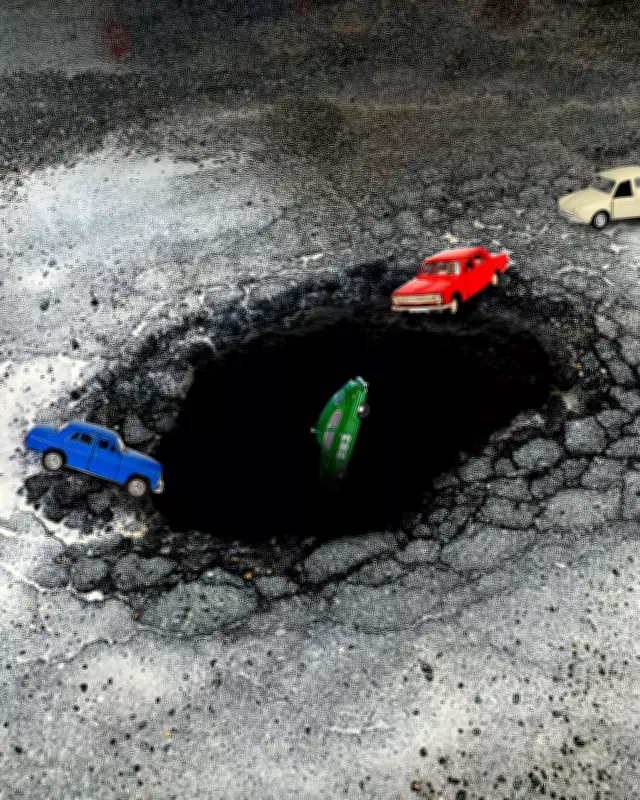
Exactly how many potholes exist depends on definitions, but the RAC estimates there are one million potholes on UK residential, city centre, and rural roads—six per mile. Compensation claims against local authorities rose 90% in three years to 2024. In February 2025, three times more drivers cited potholes as a breakdown cause than a year earlier. A YouGov poll found potholes, congestion, and road maintenance were voters' top local concerns, ahead of the cost of living, NHS, and immigration. Crumbling roads symbolise a declining society for many.
Why Can't Britain Fix Its Potholes?
Politicians are aware of the issue. The government allocated an extra £500m for highway maintenance, tied to publishing pothole-filling data. The Conservatives proposed a £112m "pothole patrol," Reform UK touted the JCB PotHole Pro, the Liberal Democrats declared a "pothole pandemic," and the SNP promised a £350m fund in Scotland. Yet the backlog remains enormous. Local authorities in England and Wales say fixing it would cost £18.6bn, despite filling 1.9 million holes last year—one every 17 seconds.

Underfunding and Short-Term Thinking
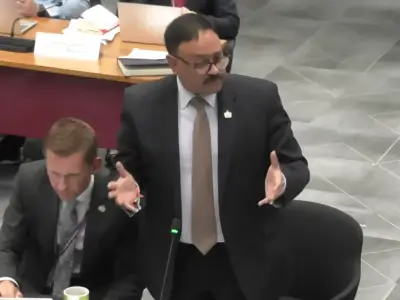
Central to the crisis are councils' post-austerity budgets and competing demands like special needs education and social care. Bristol City Council approved £10.3m over five years for road maintenance, doubling its DfT funding. Head of highways Shaun Taylor says he has £3m this year but needs £9m to prevent potholes. "Potholes aren't the problem; they indicate the whole road is failing," he says, comparing it to a windowsill: "If you paint and look after it, it lasts a lifetime. If you ignore it, it cracks and rots."
Professor Phill Wheat of the University of Leeds says constrained funding means councils can only keep networks roughly safe, not fix underlying issues. Climate change worsens the problem: wetter winters cause more potholes. Ed Plowden, Green councillor and chair of Bristol's transport policy committee, warns that if Britain gets wetter, "it's going to be even more of an uphill struggle."
Political and Funding Constraints
Rebecca McKee of the Institute for Government argues that conditional, short-term funding limits councils' ability to invest in long-term solutions. Taylor adds: "Sometimes they say you must spend money by a certain point—when I want to spend it ahead of winter. A little flexibility would help us spend more wisely." Wheat warns of a spiral: "In five or ten years, as underlying assets worsen, defects will proliferate, leaving even less money for proper maintenance." Plowden agrees: "Over 30 years, we face a slow managed decline on current funding."
The DfT responded: "This government's record funding incentivises preventative work, not patch jobs. We're giving councils £7.3bn of long-term multi-year funding so they can plan ahead." Of this, £2.1bn is conditional on effective repair plans. The DfT notes 15% more prevention works in 2025 vs 2024. Bristol will spend almost £1m on potholes and start upgrading 159 roads to limit water and UV damage. In July, Marsh Street will be stripped and completely resurfaced.