
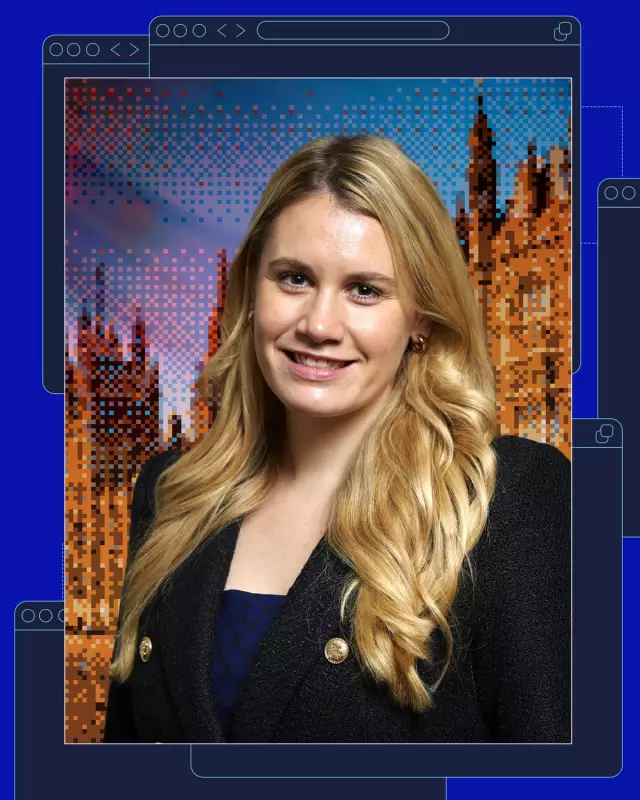
A relentless campaign by a small, dedicated group of women has fundamentally altered the legal landscape in the UK, successfully pushing for a new law that criminalises the creation of deepfake pornography. Their efforts have closed a dangerous loophole that left victims of digitally fabricated sexual abuse without meaningful legal recourse.
The Campaign That Refused to Be Ignored
The movement was spearheaded by Susie Alegre, a distinguished international human rights barrister based in London. Her personal ordeal began in March 2023 when she discovered that her face had been digitally superimposed onto explicit images and circulated online. Upon reporting this to the police, she was met with a stark reality: creating a deepfake pornographic image was not, in itself, a specific criminal offence.
Existing laws only addressed the sharing or distribution of such material, creating a significant gap in justice. "I don't take no for an answer," Alegre stated, encapsulating the campaign's tenacious spirit. She quickly connected with other women who had suffered similar violations, including barrister Grace Corby and former university student Madeleine, forming a powerful collective voice.
Their strategy was multifaceted. They engaged directly with MPs and peers across the political spectrum, providing compelling evidence of the law's inadequacy. Labour MP Anneliese Dodds and Conservative MP Maria Caulfield became key allies in Parliament. The campaign's breakthrough came when they secured an amendment to the Online Safety Act, which was making its way through the House of Lords in autumn 2023.
A Legal Victory and Its Immediate Impact
The campaigners' work culminated in a significant legal change. The government adopted their proposed amendment, creating a new standalone offence. As of January 31, 2025, it is now a crime in England and Wales to create a deepfake pornographic image without consent, regardless of whether it is shared. The offence carries a maximum sentence of six months in prison.
This legislative shift represents a profound change. Prior to this, the burden was on victims to prove the image had been shared to cause distress, a difficult and invasive process. Now, the mere act of creation is illegal. Law enforcement agencies, including the Crown Prosecution Service (CPS) and the National Police Chiefs' Council (NPCC), have issued new guidance to officers, emphasising that victims should be treated with the same seriousness as those of other sexual offences.
Claire Lindley, Chief Crown Prosecutor, confirmed that the CPS had already authorised charges under the new law within weeks of it coming into force, demonstrating its immediate practical application.
The Human Cost and the Path Forward
The women behind the campaign have spoken powerfully about the severe psychological impact of deepfake abuse. Madeleine described the "complete violation" she felt, while Grace Corby highlighted the "absolute powerlessness" inflicted by the legal void. Their stories underscored that this was not a niche issue but a form of intimate image abuse affecting a growing number of people, predominantly women.
Despite this landmark victory, the campaigners acknowledge the fight is not over. They are now calling for further reforms, including making the new offence indictable, which would allow for longer sentences and different modes of trial. They also advocate for better victim support and continued efforts to hold online platforms accountable for hosting such material.
The journey of Susie Alegre, Grace Corby, Madeleine, and their allies stands as a powerful testament to how determined citizen activism can directly shape legislation. By refusing to accept the status quo, they have provided crucial protections for countless potential victims and set a new standard for how the UK legal system addresses digital sexual abuse.




