
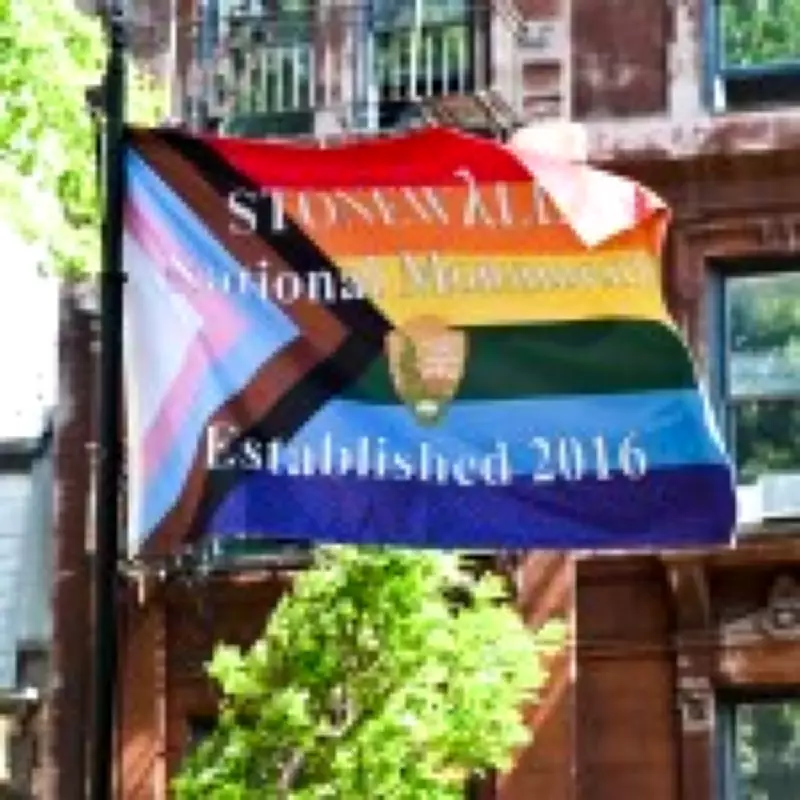
Pride Flag Removed from Iconic LGBTQ Monument by Trump Administration
The rainbow flag, a powerful symbol of LGBTQ pride and resilience, has been removed from the Stonewall National Monument in New York City by the Trump administration. This action has ignited significant controversy, with many interpreting it as a deliberate symbolic swipe at the nation's first national monument dedicated to queer history.
Symbolic Removal Sparks Outrage
The flag had been flying over the site that commemorates the Stonewall Inn, the historic gay bar where a 1969 rebellion against a police raid catalyzed the modern gay rights movement. The National Park Service, which manages the monument centered on a park in Manhattan's Greenwich Village, stated it was adhering to recent guidance that clarified and consistently applied longstanding flag policies.
However, gay rights activist Ann Northrop condemned the removal as a 'disgusting slap in the face,' vowing to rally supporters and raise the flag once more. The National Park Service's policy prohibits flying 'non-agency flags and pennants,' with no exceptions for historical, military, or Tribal flags.
Political Motivations Alleged
Manhattan Borough President Brad Hoylman-Sigal told CNN that this move is part of a broader effort by the Trump administration to reshape the Park Service to align with its right-wing base, effectively excluding minority groups and LGBTQ individuals. 'We're just going to try to fly it again. It may be taken down. We may be blocked from even doing so; there may be federal officers preventing us, but we certainly are going to try in the spirit of Stonewall,' Hoylman-Sigal asserted.
This incident follows a pattern from last February, when nearly all references to transgender and queer people were removed from the Stonewall National Monument's website. The National Park Service explained at the time that this was to comply with orders from President Donald Trump, mandating that federal agencies recognize only two genders, male and female. These changes were part of a push to end initiatives perceived as promoting 'gender ideology' and to 'restore biological truth to the federal government' by eliminating public-facing media supporting trans rights.
The Historic Significance of Stonewall
The Stonewall riots erupted on June 28, 1969, when police raided the Stonewall Inn, a common occurrence targeting gay establishments. Authorities had the power to arrest individuals for homosexual acts or enforce a 'three-piece law,' which allowed arrests of people, often drag performers and transgender individuals, wearing more than three articles of clothing not assigned to their birth gender.
This particular raid, however, sparked a defiant backlash that resonated globally. The gay community, viewing it as the final straw, rose up, leading to three nights of protests known as the Stonewall Riots. Black drag queen Marsha Johnson was a key figure in this uprising, which became a pivotal moment in the fight for gay rights.
The momentum from Stonewall propelled the Pride movement into the mainstream. In 1972, Britain saw its first Pride demonstration with about 700 marchers and the launch of Gay News, the country's earliest gay newspaper. A gay rights conference followed in 1973, and by 1975, the party that would become the Liberal Democrats was leading in support for LGBT rights.
The removal of the Pride flag from Stonewall National Monument underscores ongoing tensions between the Trump administration's policies and LGBTQ advocacy, highlighting the monument's enduring role as a beacon for equality and remembrance.




