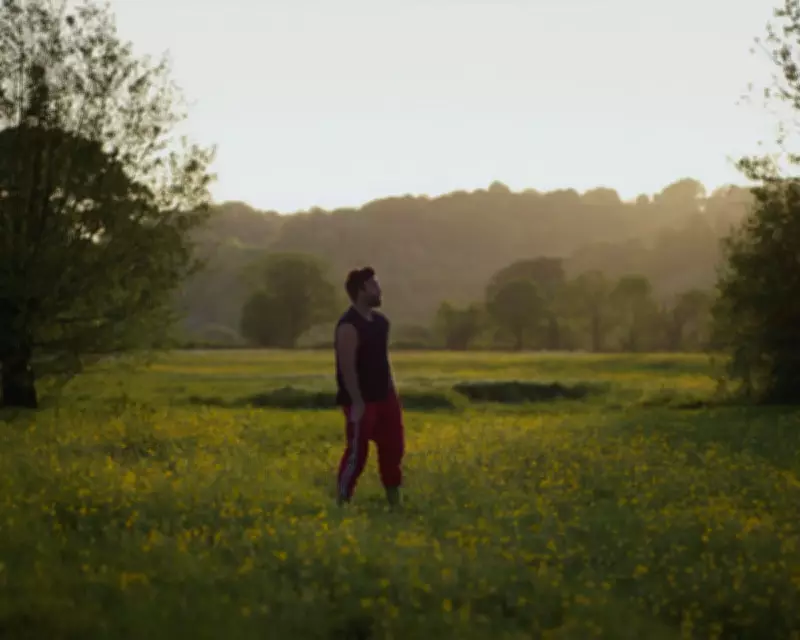
Orban Wallace's documentary about the right-to-roam movement presents a campaigning group with a simple, reasonable aim: to give walkers in England and Wales the same rights that people in Scotland have, courtesy of the Scottish Outdoor Access Code, established by the Land Reform (Scotland) Act of 2003. In Scotland, walkers enjoy the right to temporary, non-motorised access—walking, cycling, and camping, carried out responsibly—to most land, public or private. These rights have existed for some time without causing the apocalyptic end to the countryside as we know it.
Avoiding Confrontation
The film interviews landowners such as Francis Fulford, a media-favourite outspoken reactionary toff, akin to a posh version of Viz Comic's Farmer Palmer, snarling "Get off my land." Other more thoughtful landowners include Hugh Inge-Innes-Lillingston, who cheerfully admits how silly his name is and is open to developing new ideas about managed access. As for profiteering, the film recalls a remark by Tara Palmer-Tomkinson: "Land doesn't really bring in a lot of money until they build a motorway through it."
Among the opposition, there are bacchanalian incursions involving morris dancers and people frolicking about in Wicker Man outfits. Viewers may watch the entire film waiting for a flashpoint—a clash between heroic trespassers and wicked landowners—but none occurs. Perhaps the landowners saw the cameras and prudently avoided such a scene. Alternatively, if Wallace had wanted a confrontation, he could have used concealed cameras and sought it out.
Wide-Ranging Exploration
This film ranges across many ideas, though some moments are more pertinent than others. Pheasant shoots, for example, have a hate-watch fascination for many but are arguably irrelevant compared to issues of large-scale agribusiness, which is not much emphasised here. As for accepted footpaths, these are concessions that had to be insisted upon. Ramblers are justified in keeping up the pressure, and the take-home message is clear: opening up the glories of the countryside and nature itself to everyone is a universal good.
Our Land is in UK and Irish cinemas from 8 May.