
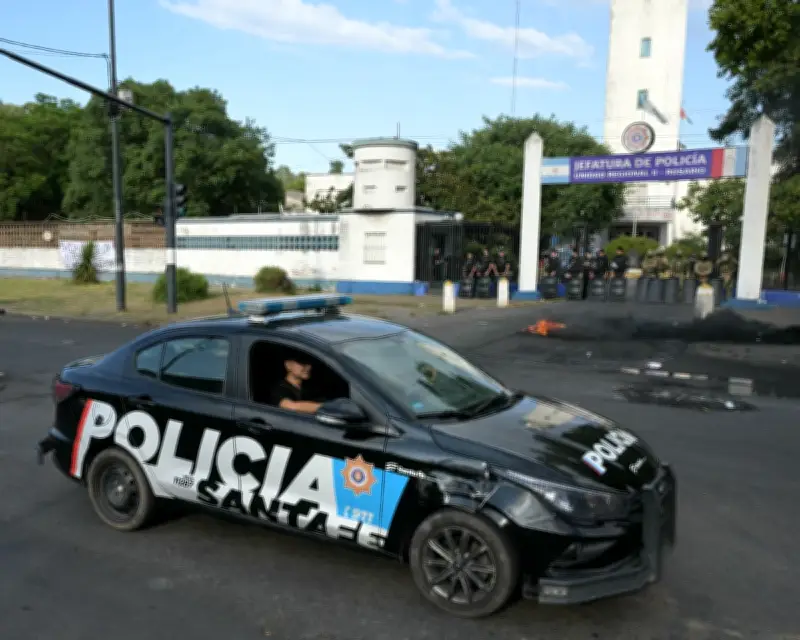
A growing number of Argentine police officers are taking second jobs as rideshare drivers, often carrying government-issued guns, leading to a rise in off-duty shootings and deaths, according to human rights groups and police officers who spoke to the Guardian.
Economic pressures drive police to moonlight
Diego, a federal police officer who asked not to use his real name, works as a rideshare driver after his 12-hour shifts and on days off to cover his family's basic expenses. "You can make around 44,000 pesos (about £24) in an extra eight-hour shift in the police or you can make 42,000 pesos worth of trips in four hours. It's just maths," he said.
President Javier Milei's austerity measures have slashed purchasing power, forcing many police officers to take loans for food and essentials. Many officers say their take-home income, including extra shifts, often falls below the poverty line for a family of four, set at about $1,000 per month. "I have many colleagues who do Uber, DiDi and deliveries after work. Our salaries are just too low," said a female police officer from Buenos Aires province.
Rise in off-duty shootings
According to the Centre for Legal and Social Studies (Cels), 75% of deaths caused by police officers using their issued firearms in 2025 occurred while the officers were off duty. About 13% of the total involved officers working as rideshare drivers at the time of the incident, with 16 cases recorded in 2025, up from two in 2020.
In February 2025, a 30-year-old police officer working as a rideshare driver shot two men who attempted to rob him in La Matanza. In December 2025, a federal police officer shot and killed a 15-year-old, claiming the teenager attacked him. The officer identified himself before firing his government-issued gun. In February 2026, an officer moonlighting as a rideshare driver died after being shot by a passenger; the assailant also died.
Policy and human rights concerns
Both Uber and DiDi ban drivers from carrying firearms, but police officers commonly carry their guns at all times. Victoria Darraidou, who coordinates security policy work at Cels, said, "Police officers kill and die more when they are off duty. This is because they use their guns without planning, with no support, and in disproportionate ways, and this puts other people and themselves at risk."
The Milei administration publicly supports security forces, but police complaints over pay and conditions have increased. Resignations are rising. In 2021, officer Luis Oscar Chocobar was convicted of homicide for excessive force but his conviction was annulled in 2024. Then-security minister Patricia Bullrich defended him and broadened rules for police use of force. Cels says this contributed to a 40% increase in deaths at the hands of police in the last two years.
Calls for reform
María del Carmen Verdú, founder of human rights group Correpi, said, "If police officers were not allowed to carry their government-issued guns while they are off duty, the number of 'trigger happy' deaths would be significantly reduced."




