
A man has formally pleaded not guilty to charges relating to an incident where messages supporting Palestine were allegedly projected onto the sails of the Sydney Opera House. The case, which has drawn significant public attention, centres on the boundaries of protest and the use of public landmarks.
The Alleged Incident and Court Proceedings
The incident is said to have occurred on the evening of October 9, 2023. Prosecutors allege that a man used a laser projector to display pro-Palestine slogans onto the iconic forecourt and sails of the building. The projection reportedly took place amidst heightened global tensions following the conflict in Gaza.
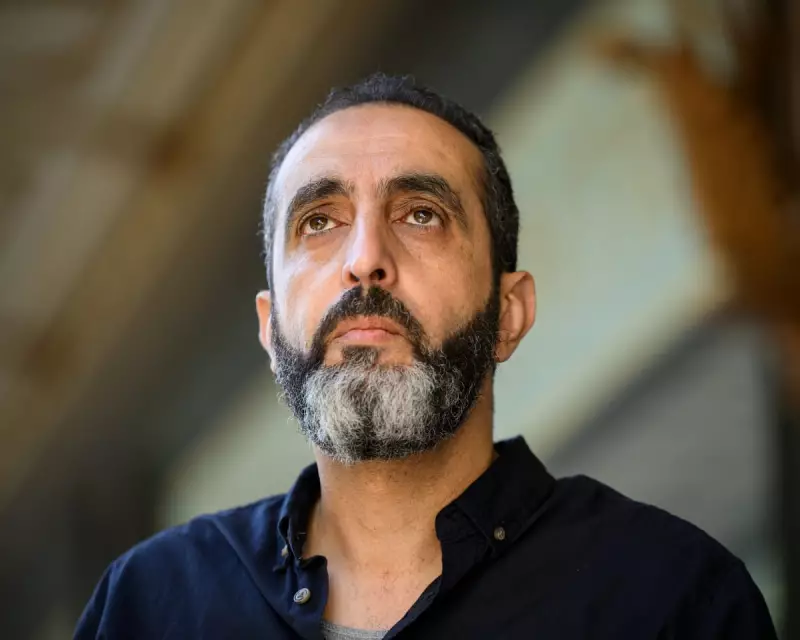
The accused, Rashid Farah, appeared at Sydney's Downing Centre Local Court on Wednesday, 3 December 2025. His legal team entered a plea of not guilty on his behalf to the single charge he faces. The matter has been adjourned for a case management hearing, with the next court date set for 5 February 2026.
Legal Charges and Broader Context
Farah has been charged with one count of behaving in an offensive manner in/near a public place, under the Summary Offences Act. This charge carries a maximum penalty of a fine. The case has sparked debate about the nature of protest in Australia, particularly concerning the Israeli-Palestinian conflict.
The projection incident last year was one of several similar acts globally, where activists have used landmark buildings as canvases for political messages. It followed a separate, larger-scale event where the Opera House sails were illuminated with the colours of the Israeli flag, which itself was a response to attacks by Hamas.
Reactions and Implications
The not guilty plea sets the stage for a legal examination of what constitutes offensive behaviour in the context of a political demonstration. The defence is likely to argue the act was a form of peaceful protest protected under implied rights to political communication.
Conversely, authorities and some community groups have previously condemned such uses of the UNESCO World Heritage site, arguing it co-opts a national symbol for divisive purposes. The outcome of this case could influence how Australian law enforcement and courts handle similar acts of digital or projection-based activism in the future.
As the case moves towards its next hearing in early 2026, it remains a focal point in ongoing discussions about free speech, public space, and the visual language of modern protest in Australia.




