
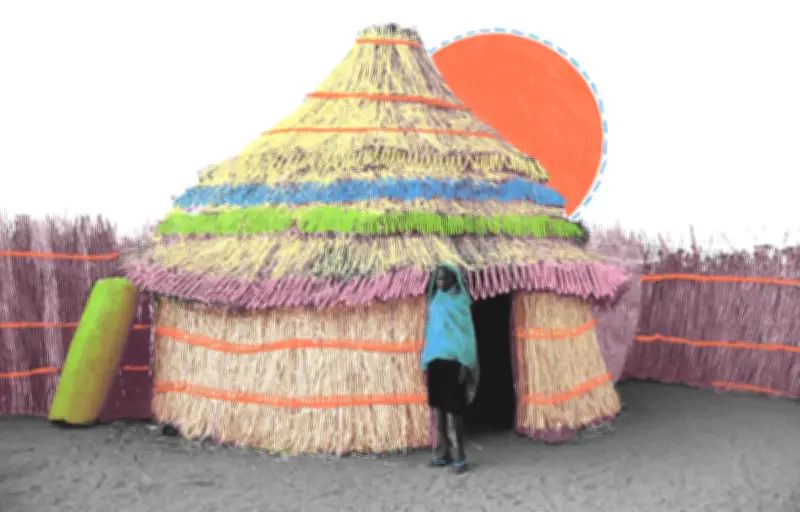
In 1987, while working for the aid agency Care in Sudan, a journey from El Obeid to Khartoum turned into an unexpected encounter with extraordinary hospitality. After two weeks of dust and extreme heat, the team opted to travel at night across the desert to avoid the scorching sun. There were no tarmac roads, only dusty tracks. They left at sundown for what was expected to be a six- to seven-hour drive.
Lost in the Desert
By about 2am, it became clear the driver was hopelessly lost. He insisted they were heading north-east, but the stars revealed they were actually heading west. The dominant emotion was not fear but exhaustion. The Sudanese people were well known for their friendliness, so the foreign worker felt no concern for personal safety. They were simply tired and in need of rest.
Finally, a small village emerged from the darkness, composed mostly of grass huts. They stopped to ask for directions and discovered they were almost back in El Obeid, after eight hours of driving. They had been driving in a huge circle.
Villagers' Generosity
The villagers told them to stay. In a moment, they emptied out a hut, put four beds inside complete with fresh bedclothes, and wished them goodnight. Having lost all faith in the driver's navigational skills, the team gratefully accepted. In the morning, the villagers prepared a huge breakfast with fruit, tea, and bread.
According to the aid worker, 'Here we were, a bunch of relatively well-off foreigners, offered quite lavish hospitality that the villagers could ill-afford in a blasted, sandy landscape where life was incredibly hard. They gave us what they had, then refused to accept any payment at all, telling us that it was their duty to help people in distress.'
Lasting Impact
Despite the extreme poverty and precariousness of their lives, the villagers were unwavering in their commitment to hospitality, accepting nothing in return. The aid worker noted, 'I have never forgotten their fidelity to their beliefs and innate generosity, and am always ashamed at the chauvinism that increasingly drives anti-Muslim politics. It is far too easy to demonise people for where they live and what they believe; harder to remember that they, too, have instincts that are profoundly human.'




