
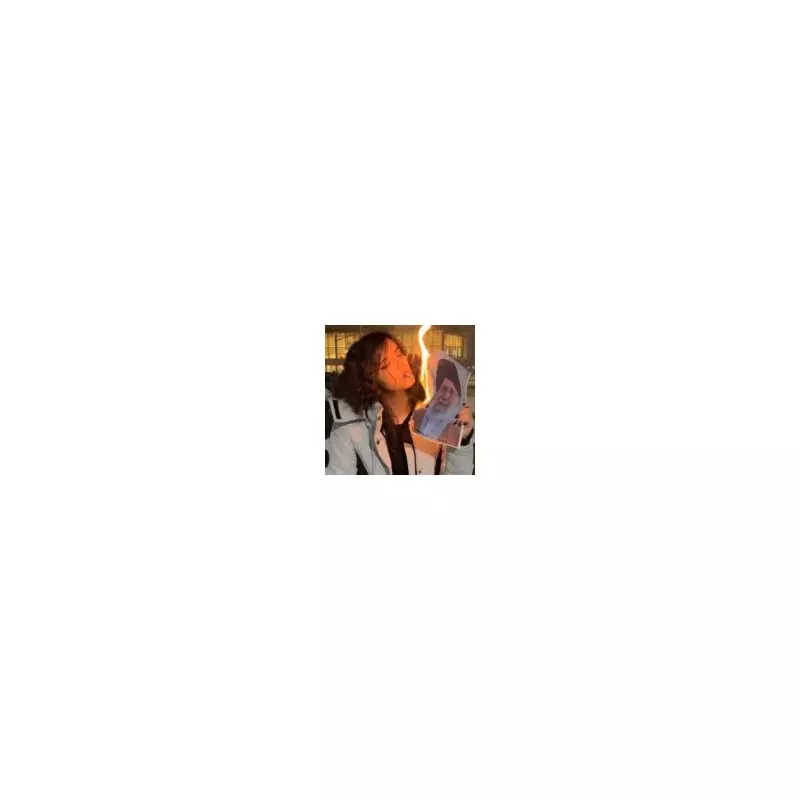
In a striking act of defiance, women in Iran have been filmed lighting cigarettes using burning images of the country's Supreme Leader, Ayatollah Ali Khamenei. The videos and photographs of this symbolic protest have been shared and reposted thousands of times across various social media platforms.
A potent cocktail of defiance
This act deliberately combines several serious offences under the Iranian regime's strict laws. Burning an image of the Supreme Leader is a grave crime, while women smoking in public has long been restricted or actively discouraged. By performing both acts together, often while also defying mandatory hijab laws, the protesters are making a powerful statement against both state authority and pervasive social controls.
Observers note that this form of digital, viral protest is particularly challenging for authorities to suppress. It does not rely on organising large crowds in public squares, which security forces can easily disperse. Instead, it spreads through individual acts of courage shared online, creating a wave of symbolic resistance that is harder to contain.
Economic despair fuels nationwide anger
The trend emerges against a backdrop of deepening economic hardship in Iran, which has ignited fresh demonstrations across the country. The protests initially erupted last month in Tehran's Grand Bazaar, where shopkeepers voiced fury over the collapse of the Iranian rial. The unrest has since spread nationwide as public anger mounts over soaring inflation.
Iran's economy has been under severe strain since US sanctions over its nuclear programme were reimposed in September, compounded by the aftermath of a 12-day war with Israel. This has led to a growing crisis of confidence in the country's leadership.
Crackdown and communication blackout
The government's response has been harsh. Although the current unrest has not reached the scale of the mass protests seen three years ago, authorities have reportedly killed dozens of demonstrators. In a move to stifle organisation and obscure events from the world, Iran imposed an internet and phone blackout on Thursday night as protests intensified, largely severing the country's digital connection to the outside world.
State media has framed the demonstrations as foreign-instigated chaos. Ayatollah Khamenei accused protesters of acting on behalf of US President Donald Trump, labelling rioters as attackers of public property and warning that Tehran would not tolerate people acting as "mercenaries for foreigners". State television broadcast images it claimed showed burning buses, cars, motorbikes, and fires at metro stations and banks.
In one of the most violent incidents, the Iranian rights group Hengaw reported that a protest march in Zahedan, a city with a large Baluch population, was met with gunfire, leaving several people wounded.
Echoes of past protests and calls for action
The protests carry echoes of the huge 2022 demonstrations triggered by the death of Mahsa Amini in police custody, which saw massive numbers of women and men take to the streets. Amini was arrested for allegedly not wearing the hijab properly; authorities blamed her death on a heart attack, but witnesses said she was severely beaten.
While many women have participated in the online cigarette-lighting trend, current street protests, according to Reuters footage, appear to be mostly populated by young men. Chants heard include "death to the dictator" and expressions of praise for the former monarchy overthrown in the 1979 revolution.
Iran's divided opposition groups are urging further action. Reza Pahlavi, the exiled son of the late Shah, told Iranians on social media: "The eyes of the world are on you. Take to the streets."
While Iran has crushed larger waves of unrest in the past, analysts suggest the regime now faces a significantly weaker economy and mounting international pressure, making the current crisis particularly potent. The act of lighting a cigarette with the flame of a burning leader's image has become a succinct, viral metaphor for a population using the tools of its oppression to fuel its defiance.




