
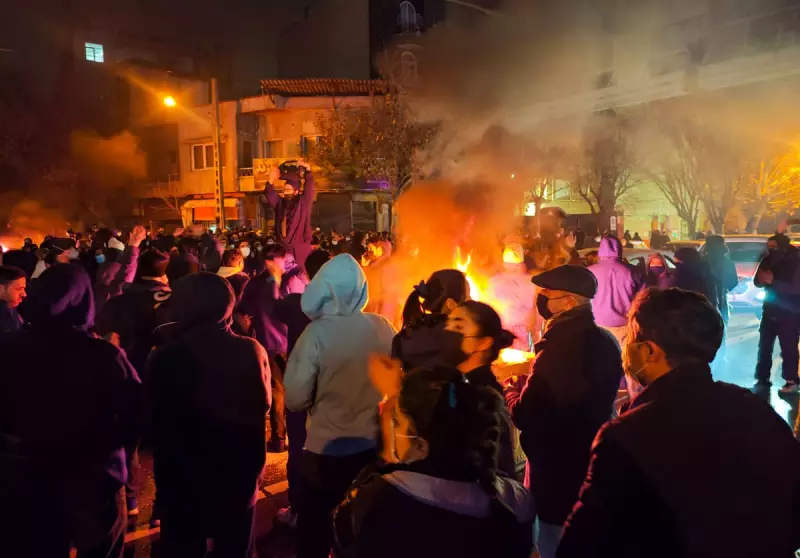
Nationwide anti-government protests continue to grip Iran and have sparked demonstrations of solidarity at Iranian diplomatic missions across the globe. The unrest, which began in December 2025, was initially triggered by soaring inflation and the collapse of the national currency, the rial, but has since evolved into a broader movement demanding political change.
A Brutal Crackdown and Information Blackout
The response from Iranian security forces has been severe. According to estimates from activists and journalists operating under extreme duress, at least 2,500 people have been killed since the protests began. The regime has imposed widespread communications blackouts, most notably a nationwide internet shutdown starting on 8 January 2026, in an attempt to stifle the flow of information and quell dissent.
Despite these measures, images and reports have emerged showing the scale of the demonstrations and the government's heavy-handed tactics. Photographs from Tehran depict protesters rallying around bonfires, blocking streets, and facing off against security forces. Significant damage is visible in some areas, such as the heavily damaged tax affairs building pictured on 10 January, underscoring the deepening economic and political crisis.
Protests Span from Grand Bazaar to Global Capitals
The protests originated in Tehran's Grand Bazaar in late December, a traditional centre of commerce hit hard by failing economic policies. They quickly spread to universities and cities across Iran. The slogans chanted by demonstrators have shifted from purely economic grievances to overtly political and anti-government messages.
In a significant show of force, the Iranian government has organised pro-regime counter-demonstrations. One such rally was held at Enghelab Square on 12 January, where parliament speaker Mohammad Bagher Ghalibaf blamed western interference for the country's turmoil.
The movement has transcended Iran's borders, with Iranians in the diaspora and supporters mounting protests at Iranian embassies and consulates worldwide. Striking images have emerged from London, Berlin, Milan, Toronto, and Rome. Symbols of the pre-1979 monarchy, such as the Lion and Sun flag and images of Reza Pahlavi, the son of the last Shah, have been prominently displayed, alongside signs with slogans like "Make Iran Great Again". In London, demonstrators were photographed burning pictures of Supreme Leader Ayatollah Ali Khamenei.
International Repercussions and an Uncertain Future
The international community is watching the situation closely. Former US President Donald Trump has warned that the United States will "take very strong action" if Iran proceeds with executing arrested protesters. The global spread of the demonstrations presents a direct challenge to the Iranian government's narrative and applies further diplomatic pressure.
As the internet blackout persists and the crackdown continues, journalists and activists within Iran face immense risks to document and share the reality of the crisis. The death toll is feared to rise, and the future of the protest movement remains deeply uncertain, caught between persistent popular anger and a regime willing to use lethal force to maintain its grip on power.




