
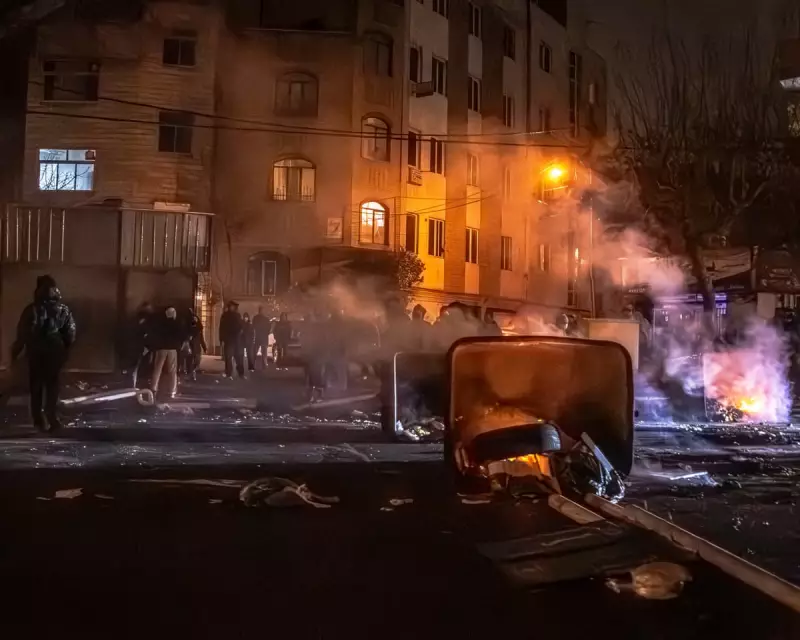
Protests across Iran have surged in intensity, with demonstrators facing a brutal crackdown from security forces that has left the streets "full of blood," according to eyewitness accounts. What began as economic demonstrations has rapidly transformed into a widespread movement challenging the authority of Supreme Leader Ayatollah Ali Khamenei.
A Nationwide Uprising Met With Force
The unrest, which started on 28 December with shopkeepers protesting currency depreciation, has spiralled beyond government control. Videos smuggled out of the country show thousands marching nightly, chanting "death to the dictator" and calling for the return of the pre-1979 Pahlavi dynasty. The response from authorities has been severe and deadly.
According to the US-based Human Rights Activists News Agency, at least 538 people have been killed, including 490 protesters, with more than 10,600 arrests. Earlier documentation from Amnesty International and Human Rights Watch recorded at least 28 killed between 31 December and 3 January, some shot with rifles and shotguns loaded with metal pellets.
Blackouts and Bloodshed
In a drastic attempt to stifle dissent and organise, Iranian authorities imposed a near-total internet shutdown and restricted international calls on Thursday, severing the country from the outside world. Despite this digital blackout, harrowing testimonies and grainy videos have emerged, depicting scenes of extreme violence.
One 28-year-old journalist from Mashhad, Mahsa, managed to send a message before her connection failed: "They’re charging at crowds in vans and bikes. I have seen them slowing down and deliberately shooting at people’s faces... The streets are full of blood." Other reports detail security forces firing assault rifles at unarmed protesters at close range and riot police beating patients and doctors in a hospital in Ilam province on 4 January.
President Masoud Pezeshkian called for an investigation into the hospital raid and acknowledged government responsibility for demonstrators' grievances, a departure from officials who blamed foreign powers like Israel and the US. However, his conciliatory tone was replaced by threats of death sentences for protesters.
Two Irans: Propaganda and Protest
A stark contrast has emerged between the Iran portrayed by state media and the reality on the ground. By day, state television broadcasts pro-government rallies and an air of normalcy. By night, videos leak out showing massive crowds braving live fire, with bodybags reportedly seen stacked in a medical warehouse in Tehran's Kahrizak area.
The protest movement has drawn support from the diaspora. Reza Pahlavi, son of the late Shah, called for unified chants from windows and rooftops, a move met with an immediate internet blackout. The external attention has hardened the regime's stance, with parliament's speaker threatening to strike the US or Israel if Washington intervenes militarily.
As the world watches, protesters inside Iran continue their nightly rallies, their calls for revolution amplified by a global audience, yet their plight underscored by isolation and immense risk. The rhythm of protest and crackdown continues, with the true scale of casualties and resistance obscured by a regime desperate to maintain control.




