
Honey Trehan's film Satluj, which depicts the 1990s crackdown on Punjab's separatist movement and the murder of activist Jaswant Singh Khalra, was banned by the Indian government within 48 hours of its online release, after being blocked from cinemas for over three years. Trehan calls the censorship 'dystopian' and accuses the government of using the Central Board of Film Certification (CBFC) to suppress uncomfortable narratives.
Film on Punjab police killings blocked by censors
Trehan's film, originally titled Ghallughara, was completed in 2022 but the CBFC demanded 127 cuts, including removing all references to Punjab police, the killings, crematoriums, the name of a former prime minister, dates, images of the Indian flag, and even Khalra's name. The censors also insisted on changing the name of Trilokpuri, a real area where Sikhs were massacred, to 'Khanpuri', a Muslim-associated name. Trehan provided 1,800 pages of research, but the board still blocked the film.
Online release and immediate ban
After the CBFC's demands, Trehan released the film on a streaming platform earlier this month, bypassing censor approval. However, within 48 hours, the government banned it under a ministry of information committee order, citing lack of 'balance' and potential national security threats. Trehan describes the effect as 'chilling' and says the film has instead brought communities together.
Guerilla screenings across Punjab
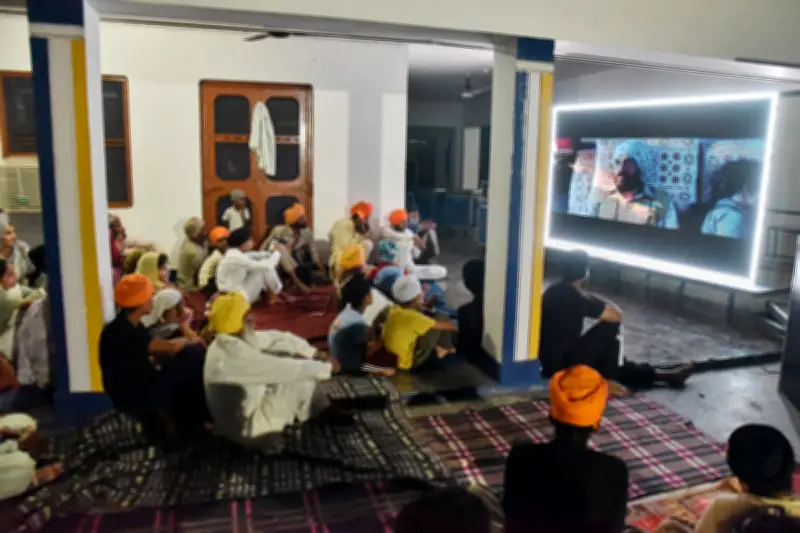
Since the ban, guerilla screenings have been held in village squares, gurdwaras, schools, community halls, and fields across Punjab and surrounding states, sometimes drawing thousands. 'It's become a revolutionary act to watch it,' Trehan says. At a remembrance event for Khalra's 1995 disappearance, families of victims protested the ban. Ranjit Singh, 38, whose father was tortured to death by police, said, 'This film is, for me, an archive of him – of the injustices he bore on his body.'
Wider censorship concerns in Indian cinema
Trehan is not alone. Film-makers like Sandhya Suri, whose film Santosh was blocked for negative police portrayal, face similar issues. The CBFC has faced accusations of pushing a Hindu nationalist agenda aligned with the Modi government. Films with alleged pro-government slant, such as The Kashmir Files and The Kerala Story, have been cleared and given tax breaks. Film journalist Anna MM Vetticad says the goal is 'to create an atmosphere of fear and encourage self-censorship.'
Trehan says few in the industry speak out due to fear of retribution, including police cases. 'There is no creative freedom in India today,' he says. 'When you see the level of censorship happening, it makes you question: does democracy exist in this country any more?'




