
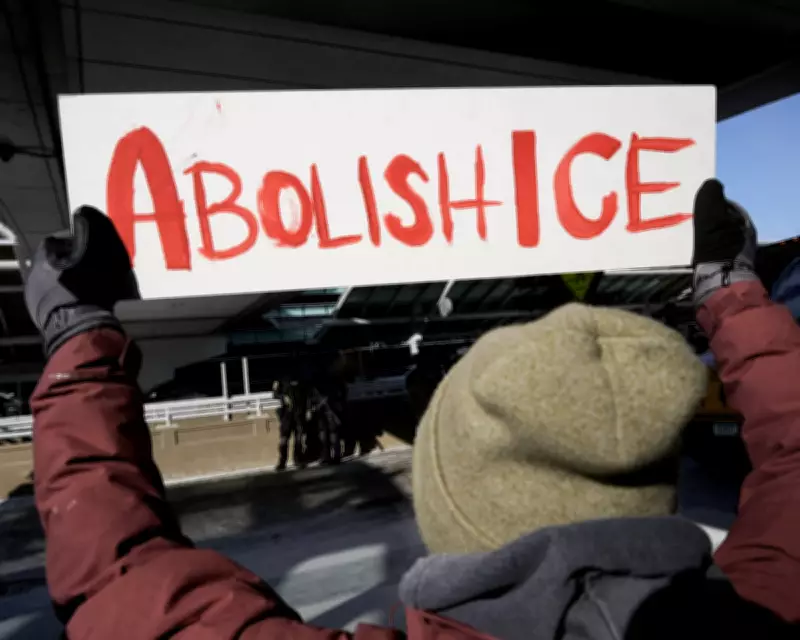
Federal prosecutors have filed conspiracy charges against multiple individuals involved in recent protests against U.S. Immigration and Customs Enforcement (ICE). The charges, announced on Thursday, allege that the demonstrators coordinated efforts to disrupt federal operations and incite violence.
Details of the Charges
The indictments, unsealed in a federal court, accuse the defendants of conspiring to obstruct ICE activities and engage in civil unrest. According to court documents, the protesters planned to block access to ICE facilities and confront officers. Prosecutors claim that the group used encrypted messaging apps to organize and shared tactics to evade law enforcement.
Government Justification
In a press release, the Department of Justice stated that the charges are necessary to maintain public safety and uphold the rule of law. Officials emphasized that while peaceful protest is protected under the First Amendment, coordinated efforts to interfere with federal functions cross a legal line. The maximum penalty for conspiracy charges can include up to 20 years in prison.
Defense and Civil Liberties Concerns
Defense attorneys argue that the charges are an overreach and target legitimate political dissent. They contend that the protesters were exercising their constitutional rights to assemble and speak out against immigration policies. Civil liberties organizations have condemned the move, warning that it could chill future protests. The American Civil Liberties Union (ACLU) has pledged to monitor the case closely.
Background of the Protests
The demonstrations began earlier this year in response to increased ICE enforcement actions, including workplace raids and deportations. Protesters have called for the abolition of ICE and reforms to immigration laws. The charged individuals are part of a broader movement that has seen clashes with police and arrests in multiple cities.
Legal Proceedings
The defendants are scheduled to appear in court next week. Judges will consider bail conditions and preliminary motions. Legal experts predict the case could set a precedent for how federal authorities handle coordinated protest activities. The trial is expected to draw significant attention from advocacy groups and the media.
As the case unfolds, it highlights the ongoing tension between national security measures and the protection of civil liberties. The outcome may influence future protest strategies and government responses to dissent.




