
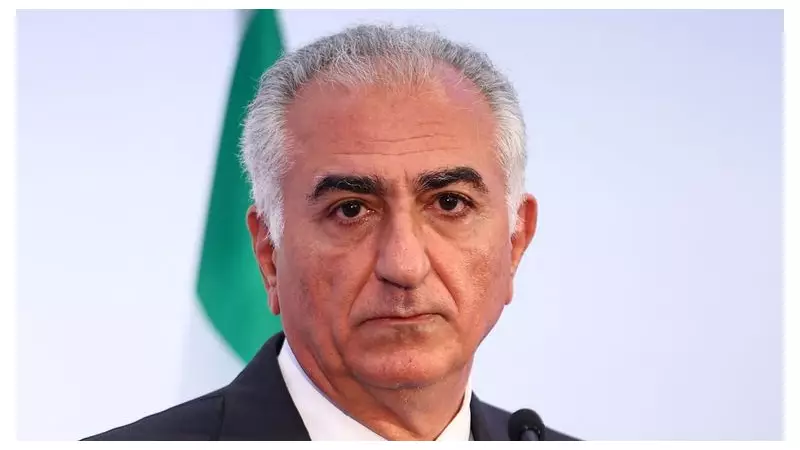
As nationwide anti-government protests present the most serious challenge to Iran's theocratic leadership in decades, a figure from the nation's past is attempting to position himself as a central player in its future. Reza Pahlavi, the 65-year-old exiled crown prince, has used his platform to galvanise demonstrators, transforming economic grievances into a potent threat against the Islamic Republic's authority.
From Palace to Exile: The Making of an Opposition Figure
Born on 31 October 1960, Reza Pahlavi grew up in immense luxury as the heir to the Peacock Throne. His father, Shah Mohammad Reza Pahlavi, ruled Iran with power initially shored up by a CIA-backed coup in 1953 and maintained close ties with the United States. The young prince's life of privilege, which included playing rock music in the Niavaran Palace for visiting US President Jimmy Carter, was not to last.
The Shah's rule, despite oil wealth in the 1970s, was plagued by economic inequality and the brutal reputation of his SAVAK intelligence agency. By 1978, Crown Prince Reza had left Iran for flight school in Texas. A year later, his father fled as the Islamic Revolution swept the country, leading to the establishment of the current theocratic government. Upon his father's death, an exiled royal court declared Reza Pahlavi the new Shah on his 20th birthday, 31 October 1980.
Five Decades in Exile: Broadcasting a Message of Return
For nearly 50 years, primarily living in the United States in Los Angeles and Washington DC, Pahlavi has sought influence from afar. In 1986, The Washington Post reported the CIA supplied his allies with a transmitter for a clandestine broadcast into Iran, where he declared, "I will return and together we will pave the way for the nation's happiness and prosperity through freedom."
Today, he leverages social media and Farsi-language news channels to call for protests and discuss Iran's future. His recent interventions have been credited with helping to morph specific economic complaints into a broader, systemic challenge to the regime.
A Constitutional Monarch? Vision and Obstacles
Pahlavi has proposed Iran could adopt a constitutional monarchy, potentially with an elected rather than hereditary ruler, emphasising the choice must belong to the Iranian people. However, his path is fraught with hurdles. Many retain unhappy memories of his father's autocratic rule. Others see him and his family as out of touch with modern Iran, a nation where younger generations were born long after the Shah's fall.
His support for Israel, including a 2023 meeting with Prime Minister Benjamin Netanyahu and backing during the 2025 Israel-Iran war, is controversial domestically. Furthermore, while some protesters chant slogans favourable to the Shah's era, it is unclear if this represents direct support for Pahlavi or a general desire for a pre-revolutionary past. Internationally, figures like former US President Donald Trump have indicated a wait-and-see approach before endorsing any opposition leader.
The ultimate outcome of Iran's unrest remains uncertain. What is clear is that Reza Pahlavi, the crown prince who left as a teenager, is actively seeking to steer the conversation from his exile, positioning his vision of a secular, democratic Iran against the entrenched theocracy his family once ruled.




