
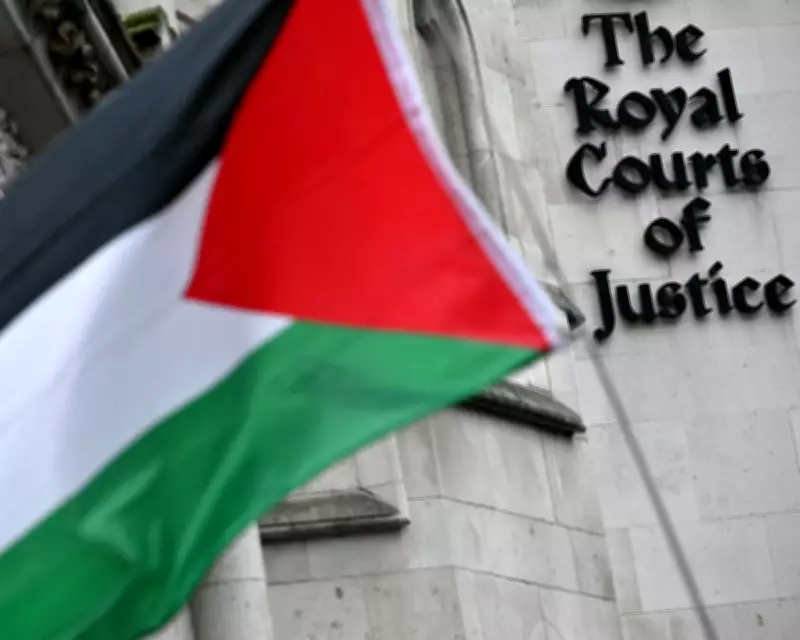
The High Court has delivered a landmark ruling, declaring the government's ban on protests organized by the activist group Palestine Action as unlawful. This decision marks a significant victory for civil liberties and free speech advocates across the United Kingdom.
Background of the Case
The case centered on the government's imposition of a ban on protests led by Palestine Action, a group known for its demonstrations against companies allegedly involved in supplying military equipment to Israel. The ban was implemented under public order legislation, with authorities arguing it was necessary to prevent disruption and maintain public safety.
Legal Arguments and Human Rights Concerns
In its ruling, the High Court found that the ban violated key human rights protections, particularly those enshrined in the European Convention on Human Rights. The court emphasized that the right to peaceful assembly and freedom of expression are fundamental democratic principles that must be upheld, even in contentious political contexts.
Judges noted that the government failed to provide sufficient evidence to justify such a broad restriction on protest activities. They highlighted that while public order concerns are valid, they must be balanced against the imperative to protect civil liberties, especially in matters of political dissent.
Implications for Future Protests
This ruling sets a crucial precedent for how protest bans are handled in the UK. It underscores the legal requirement for authorities to demonstrate clear and proportionate reasons before restricting public demonstrations. Legal experts suggest this could influence future cases involving activist groups and government interventions.
The decision is expected to embolden other protest movements, reinforcing the legal safeguards that protect the right to assemble and express political views. However, it also raises questions about how governments can effectively manage public order while respecting human rights obligations.
Reactions from Stakeholders
Palestine Action and its supporters have hailed the ruling as a triumph for justice and democracy. They argue that the ban was an attempt to silence legitimate criticism of international conflicts and corporate complicity.
Conversely, government officials have expressed disappointment, stating that the ban was intended to safeguard communities from potential unrest. They are now reviewing the judgment to determine next steps, which could include an appeal or revised measures to address protest-related concerns.
Broader Context and Political Ramifications
This case occurs amid ongoing debates about the limits of protest rights in the UK, particularly in relation to international issues like the Israeli-Palestinian conflict. It highlights the tension between national security priorities and the protection of civil liberties, a theme that resonates in broader political discourse.
The ruling may prompt legislative discussions on how to better define the boundaries of lawful protest, ensuring that future actions are both effective in maintaining public order and compliant with human rights standards.
In summary, the High Court's decision to overturn the ban on Palestine Action protests reaffirms the importance of free speech and assembly in a democratic society. It serves as a reminder that even in times of political tension, these rights must be vigilantly protected against overreach by authorities.




